Tell us about the job
Takes about a minute. No obligation.
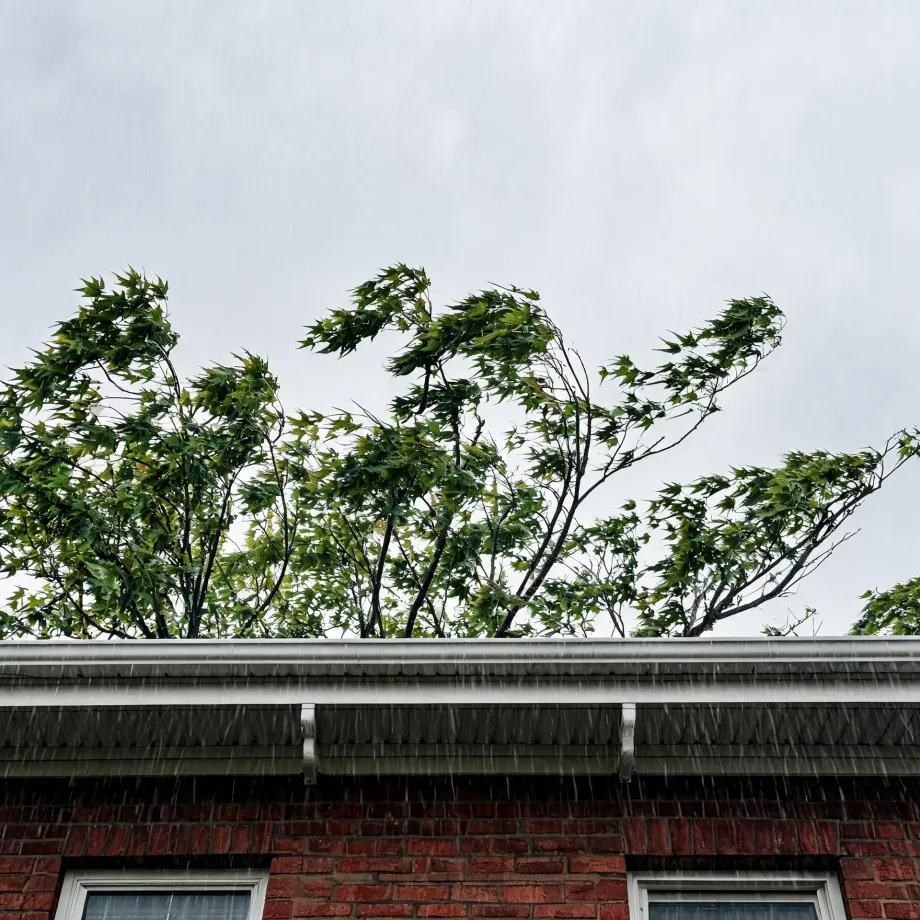
Sizing a mini-split for Northampton County means accounting for a climate that pushes systems hard on a regular basis. 220 severe weather events were recorded in Northampton County, Pennsylvania between 2015 and 2024. At that rate, severe weather is a standing condition of operating here, and a contractor who treats it as a background variable will undersize the equipment or position the outdoor unit somewhere that looks fine on a calm day but takes punishment when conditions turn. A system installed without that judgment built in runs at the edge of its capacity sooner than the specs would suggest.
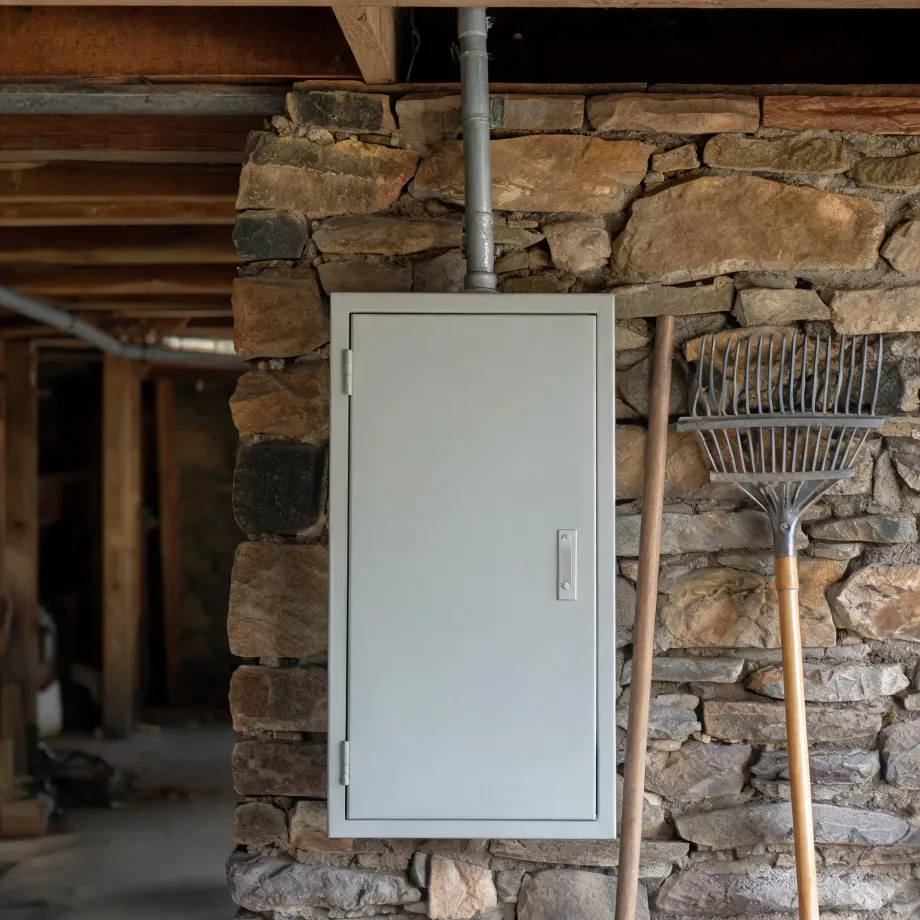
Electrical service is what decides whether a mini-split installation moves cleanly or hits a wall. Half the homes in Northampton County, Pennsylvania were built in 1971 or earlier (2020-2024 ACS 5-year). Houses built in that era were wired for loads that predate the draw a modern mini-split outdoor unit requires, and a contractor sizing the job has to open the panel and confirm capacity before a quote means anything. Ductwork is not part of a mini-split installation, but the electrical feeding it is, and in housing this age that is where the real variable sits.
What a Mini-split System Puts in Your Home
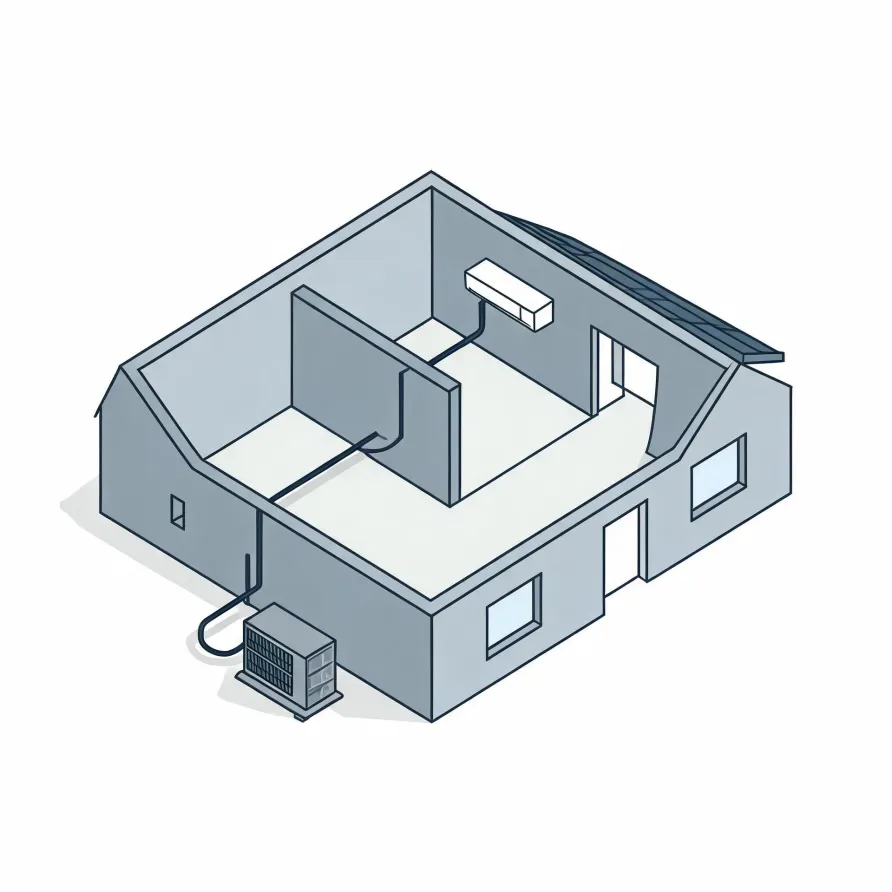
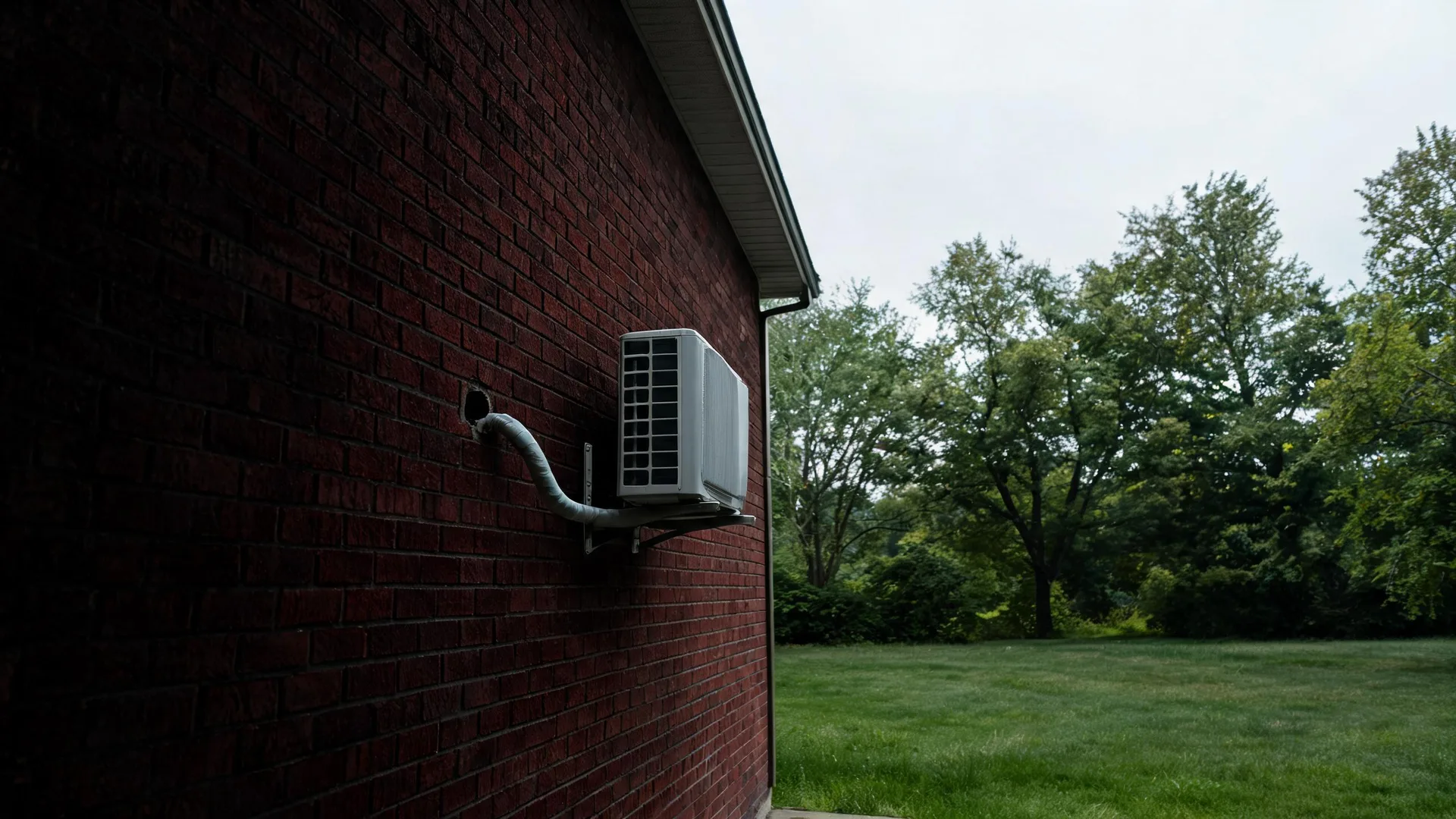
The indoor air handler mounts high on a wall inside the room being served, and it is the piece a homeowner sees every day. It draws in room air, conditions it, and pushes it back out. The outdoor unit sits on the ground or on a wall bracket outside, and it is where the refrigerant cycle does most of its work.
A refrigerant line set runs through a small hole in the wall to connect the two units, carrying refrigerant between them. A condensate drain line runs from the indoor head to the outside, moving moisture away from the room. A dedicated electrical circuit feeds the outdoor unit, which then powers the indoor head.
The drawing beside this text shows how those pieces relate to one another in a typical installation, and a licensed contractor will assess exactly how that layout applies to your home.
Find a contractor in Northampton CountyNorthampton County, by the numbers
220 severe weather events were recorded in Northampton County, Pennsylvania between 2015 and 2024.
NOAA National Centers for Environmental Information, Storm Events Database, bulk CSV export, events 2015-01-01 through 2024-12-31.Half the homes in Northampton County, Pennsylvania were built in 1971 or earlier (2020-2024 ACS 5-year).
U.S. Census Bureau, 2020-2024 American Community Survey 5-Year EstimatesNorthampton County, Pennsylvania holds 129,448 housing units (2020-2024 ACS 5-year).
U.S. Census Bureau, 2020-2024 American Community Survey 5-Year EstimatesOwners occupy 71.1% of the occupied homes in Northampton County, Pennsylvania (2020-2024 ACS 5-year).
U.S. Census Bureau, 2020-2024 American Community Survey 5-Year EstimatesCodes & Standards for Mini-Split Work in Northampton County, Pennsylvania3 sourced rules and standards
Licensing and Legal Requirements in Northampton County, Pennsylvania
Pennsylvania names the trade in its own definition: installing central heating or air conditioning is a home improvement under the Act, whether or not the equipment is affixed — so an HVAC installation is work the registration requirement reaches.
A Pennsylvania registration displaces the local one: no political subdivision may require a home improvement contractor to register, license or pay a fee on top of it, though building permits and local code enforcement still apply.
Pennsylvania requires home improvement contractor registration rather than a licence: nobody may hold themselves out as a contractor, or perform any home improvement, without first registering with the Bureau of Consumer Protection.
Severe Weather Events in Northampton County
Heating and cooling equipment in this region carries whatever load the local climate puts on it, year after year. How hard a mini-split works, and how long it holds up, is a Northampton County question as much as a product question.
220 severe weather events, 2015–2024. Source: NOAA National Centers for Environmental Information, Storm Events Database.