Tell us about the job
Takes about a minute. No obligation.
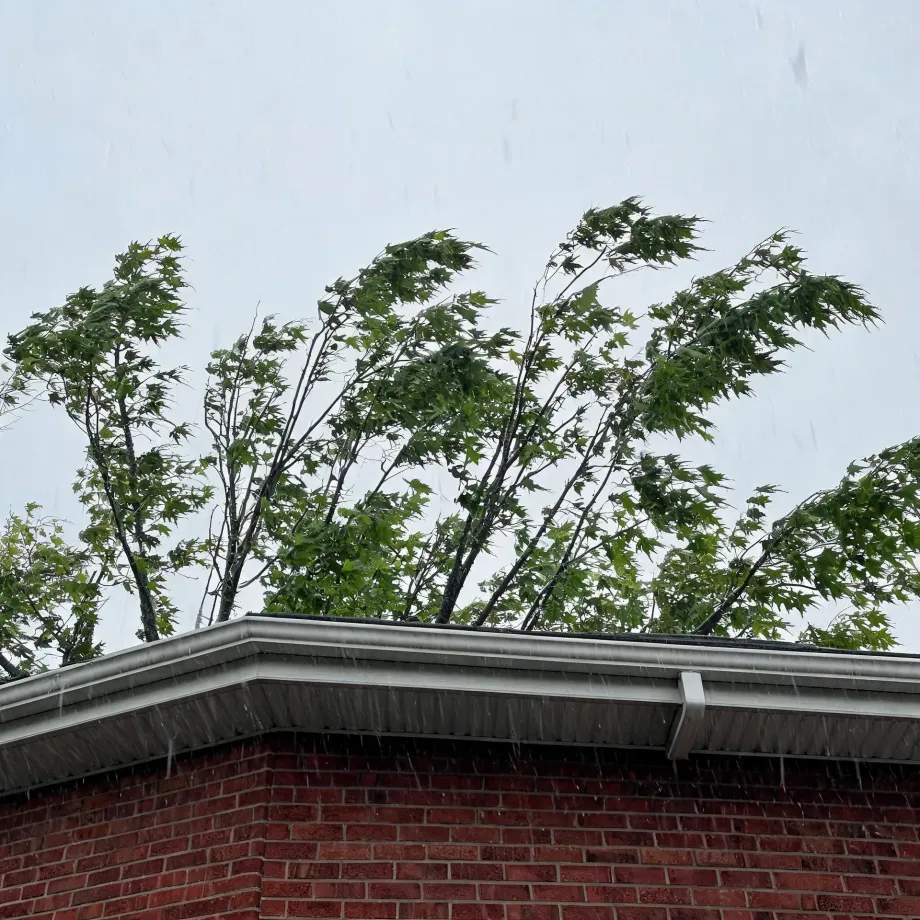
A contractor quoting a mini-split install in Potter County has to work out what the house actually demands before anything else, and that sizing question is decided by the building's envelope, its layout, and how it holds heat, not by a weather record that sits well into the quieter half of counties nationwide. 76 severe weather events were recorded in Potter County, Pennsylvania between 2015 and 2024. At that rate, severe weather here is an event rather than a standing condition, which means a system that underperforms years from now is far more likely to be carrying the cost of a poor install or an undersized unit than an unusually punishing climate. The contractor who gets the load calculation right at the start is the one whose work holds up.
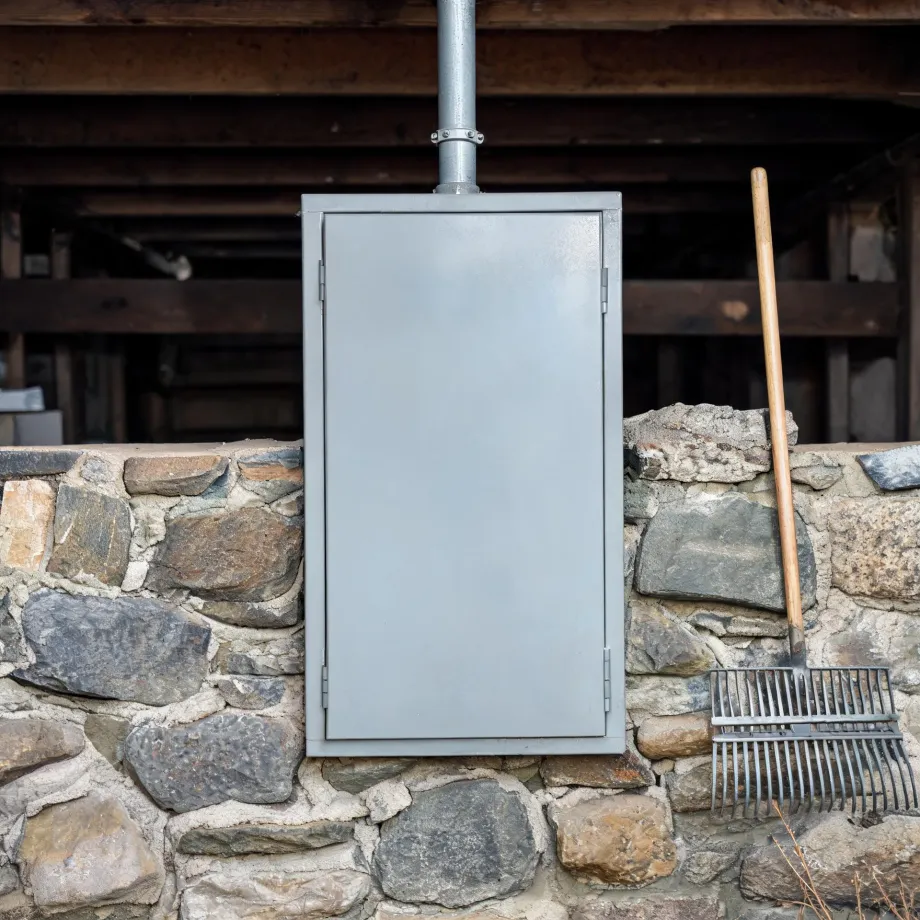
Older electrical panels were sized for what houses needed at the time they were built, and mini-splits draw power on a different set of assumptions. Half the homes in Potter County, Pennsylvania were built in 1969 or earlier (2020-2024 ACS 5-year). A contractor sizing a system here has to look at what the panel actually carries now, not just the rating stamped on it, before any equipment decision gets made. Where the service falls short, the electrical work becomes a line item the initial quote cannot skip.
What a Mini-split Installation Puts in Your Home
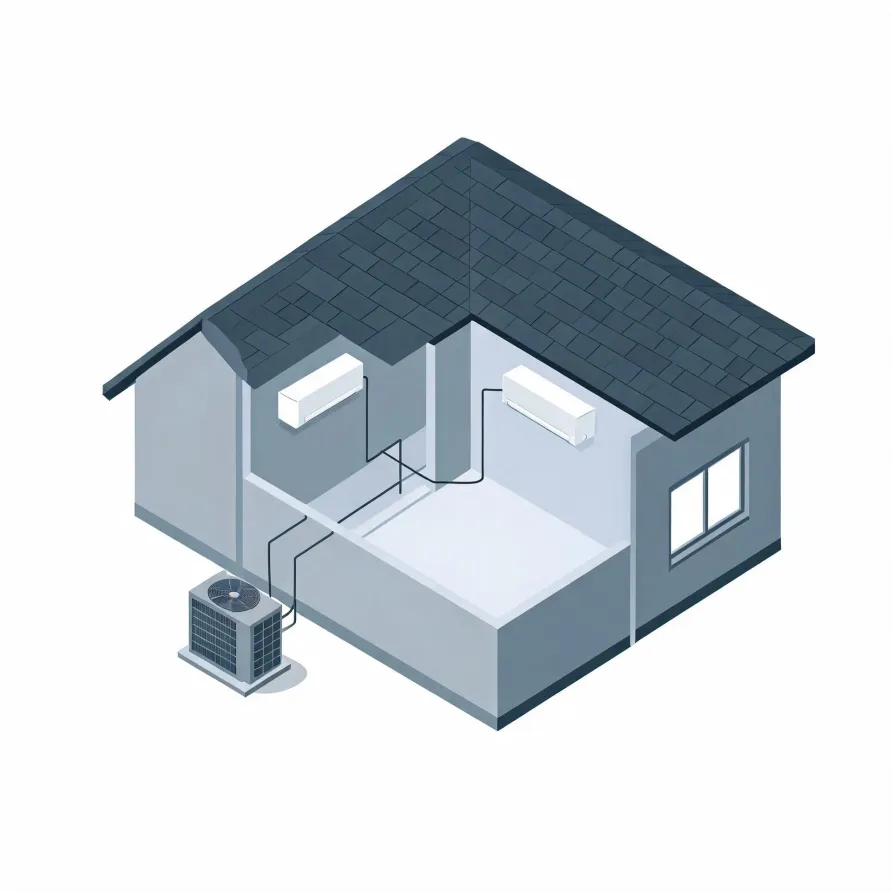
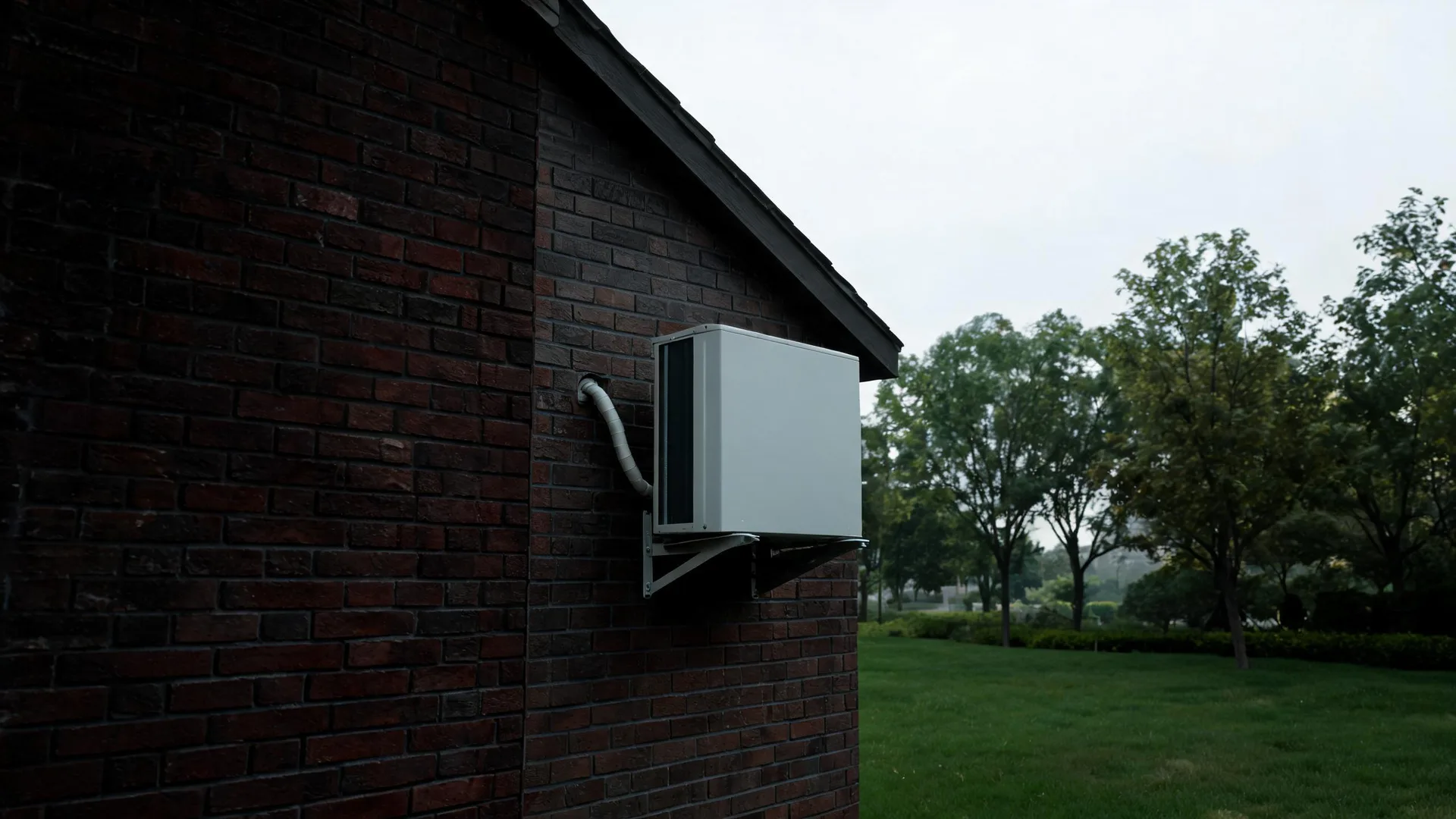
The indoor air handler mounts high on an interior wall inside the room being conditioned, and it is the piece a homeowner sees every day. The outdoor unit sits on the ground or a pad outside the house and holds the compressor and condenser coil, doing the mechanical work of the system.
A set of refrigerant lines runs through a small opening in the wall to connect the two units, and a condensate drain line carries moisture from the indoor handler to the outside. A dedicated circuit from the electrical panel feeds the outdoor unit, and a control board inside each unit ties the whole system together.
The drawing shows a typical layout, and a licensed contractor determines exactly how each piece fits the conditions of your house.
Find a contractor in Potter CountyPotter County, by the numbers
76 severe weather events were recorded in Potter County, Pennsylvania between 2015 and 2024.
NOAA National Centers for Environmental Information, Storm Events Database, bulk CSV export, events 2015-01-01 through 2024-12-31.Half the homes in Potter County, Pennsylvania were built in 1969 or earlier (2020-2024 ACS 5-year).
U.S. Census Bureau, 2020-2024 American Community Survey 5-Year EstimatesPotter County, Pennsylvania holds 12,397 housing units (2020-2024 ACS 5-year).
U.S. Census Bureau, 2020-2024 American Community Survey 5-Year EstimatesOwners occupy 79.7% of the occupied homes in Potter County, Pennsylvania (2020-2024 ACS 5-year).
U.S. Census Bureau, 2020-2024 American Community Survey 5-Year EstimatesCode & Licensing Record for Mini-Split Work in Potter County, Pennsylvania3 sourced rules and standards
Licensing and Legal Requirements in Potter County, Pennsylvania
Pennsylvania names the trade in its own definition: installing central heating or air conditioning is a home improvement under the Act, whether or not the equipment is affixed — so an HVAC installation is work the registration requirement reaches.
A Pennsylvania registration displaces the local one: no political subdivision may require a home improvement contractor to register, license or pay a fee on top of it, though building permits and local code enforcement still apply.
Pennsylvania requires home improvement contractor registration rather than a licence: nobody may hold themselves out as a contractor, or perform any home improvement, without first registering with the Bureau of Consumer Protection.
Severe Weather Events in Potter County
Outdoor conditions shape how hard heating and cooling equipment has to work, and Potter County's weather record is part of what a properly sized mini-split has to answer to. That makes local storm history a relevant data point when planning an installation here.
76 severe weather events, 2015–2024. Source: NOAA National Centers for Environmental Information, Storm Events Database.