Tell us about the job
Takes about a minute. No obligation.
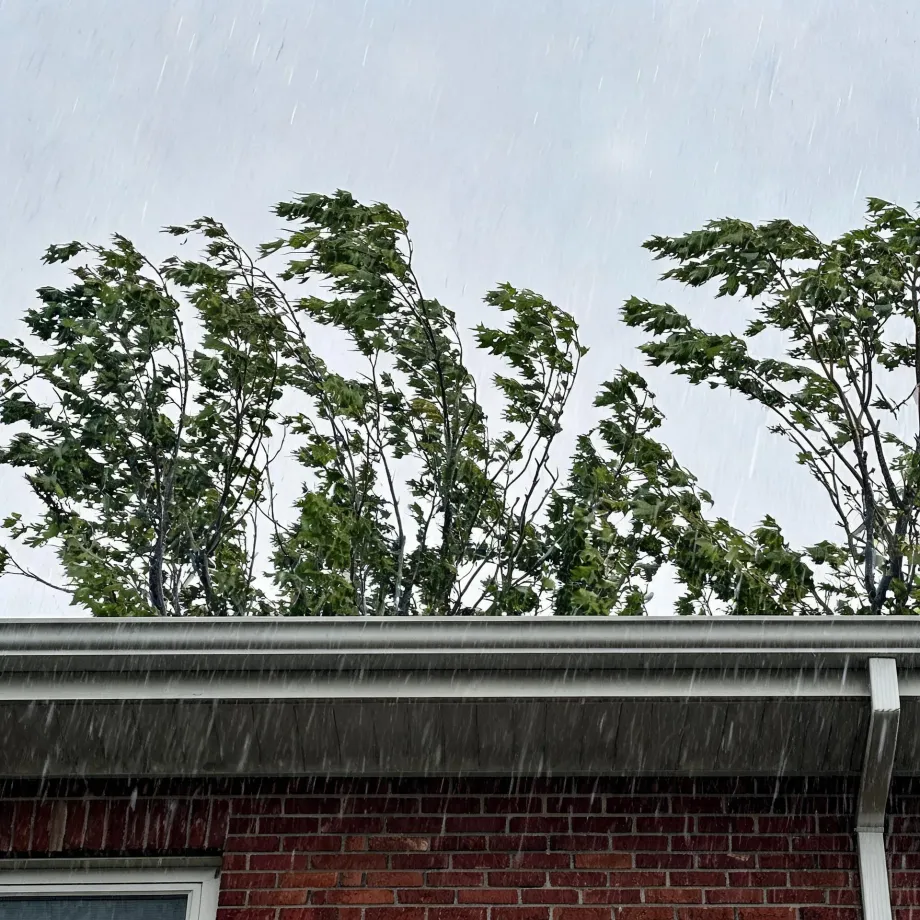
A mini-split repair in Sullivan County starts with what the system was given to work with from day one. 60 severe weather events were recorded in Sullivan County, Pennsylvania between 2015 and 2024. At that rate, severe weather here is something equipment encounters now and then, not a sustained grind that explains most failures. A contractor will check the condition of the refrigerant lines, whether the original installation was done right, and how the unit has been maintained over the years. Those factors are what usually account for a failed board or a compressor that has quit.
Adapted infrastructure is what a repair contractor opens up to in much of Sullivan County. Half the homes in Sullivan County, Pennsylvania were built in 1973 or earlier (2020-2024 ACS 5-year). A mini-split installed into a house that old sits inside decisions made long before that equipment existed: where lines were run, how condensate drains, where wall penetrations were cut. When a unit faults, the repair scope depends on whether those older adaptations are holding. A contractor who skips that inspection and goes straight to the refrigerant circuit or the control board is diagnosing only part of the system.
The Parts of a Mini-split a Contractor Checks During Repair
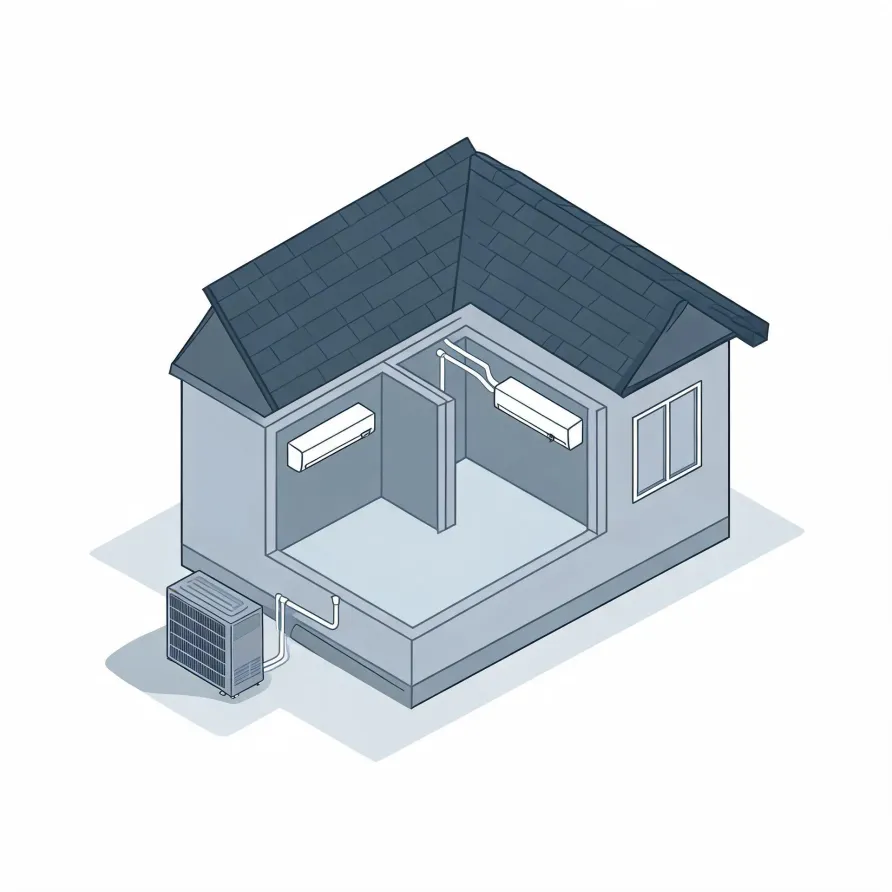
The indoor air handler is the piece you see every day, mounted high on a wall inside the room it serves. It holds the evaporator coil, a blower fan, and the air filter, and any of those can be the source of a problem when the unit stops cooling, blows warm air, leaks water, or runs but makes no difference in the room.
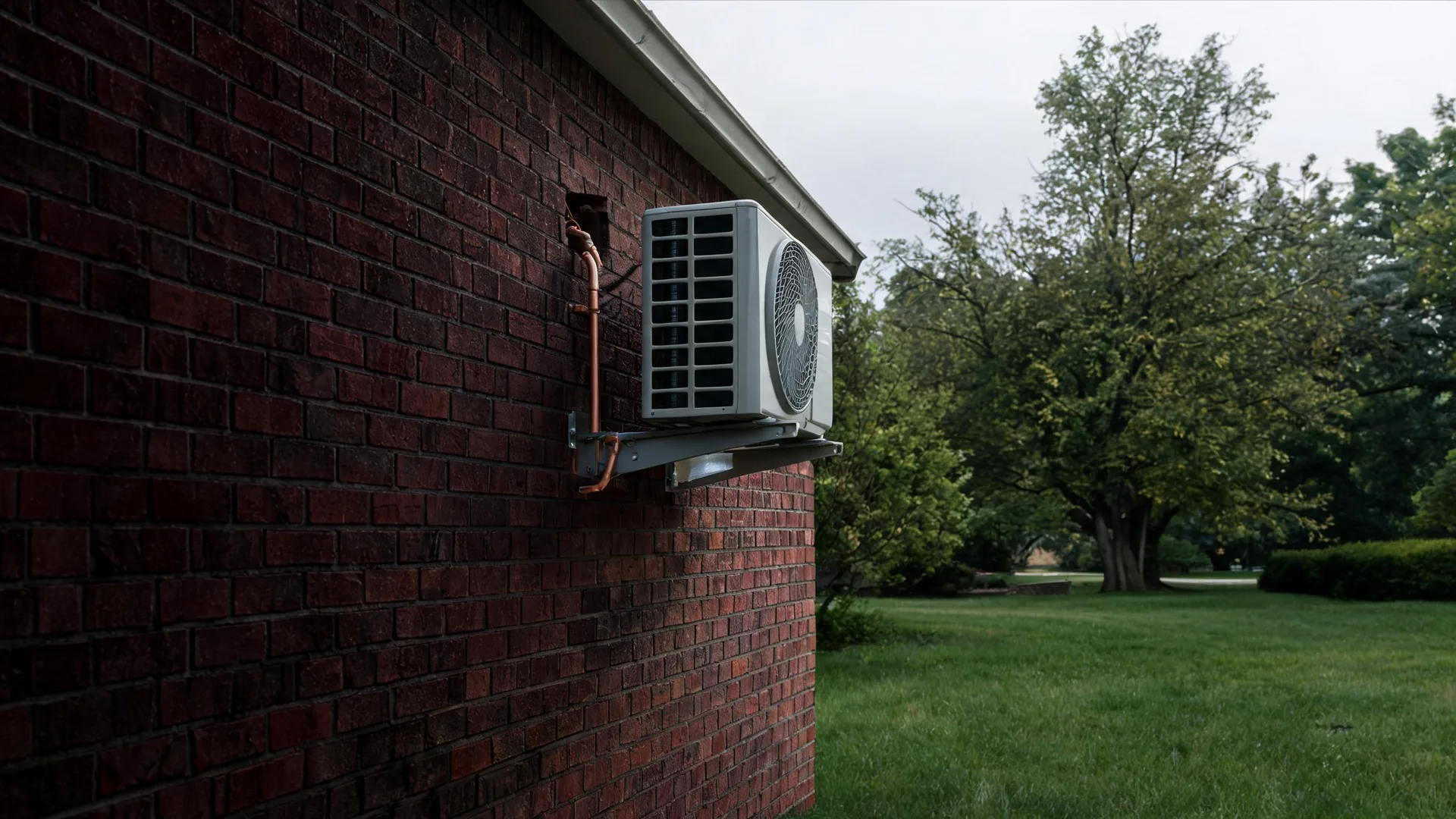
Outside, the condenser unit houses the compressor and the condenser coil, and the refrigerant line set runs between the two units through a small penetration in the wall. The condenser is where a contractor often starts when the system runs but performs poorly, and the line set gets checked for leaks whenever refrigerant loss is suspected.
The drawing shows a typical mini-split layout, and a licensed contractor will assess which components are involved once they look at the specific system in your home.
Find a contractor in Sullivan CountySullivan County, PA, by the numbers
60 severe weather events were recorded in Sullivan County, Pennsylvania between 2015 and 2024.
NOAA National Centers for Environmental Information, Storm Events Database, bulk CSV export, events 2015-01-01 through 2024-12-31.Half the homes in Sullivan County, Pennsylvania were built in 1973 or earlier (2020-2024 ACS 5-year).
U.S. Census Bureau, 2020-2024 American Community Survey 5-Year EstimatesSullivan County, Pennsylvania holds 5,584 housing units (2020-2024 ACS 5-year).
U.S. Census Bureau, 2020-2024 American Community Survey 5-Year EstimatesOwners occupy 84.9% of the occupied homes in Sullivan County, Pennsylvania (2020-2024 ACS 5-year).
U.S. Census Bureau, 2020-2024 American Community Survey 5-Year EstimatesRepair Rules & Refrigerant Standards for Mini-Split Work in Sullivan County, Pennsylvania3 sourced rules and standards
Licensing and Legal Requirements in Sullivan County, Pennsylvania
Pennsylvania names the trade in its own definition: installing central heating or air conditioning is a home improvement under the Act, whether or not the equipment is affixed — so an HVAC installation is work the registration requirement reaches.
A Pennsylvania registration displaces the local one: no political subdivision may require a home improvement contractor to register, license or pay a fee on top of it, though building permits and local code enforcement still apply.
Pennsylvania requires home improvement contractor registration rather than a licence: nobody may hold themselves out as a contractor, or perform any home improvement, without first registering with the Bureau of Consumer Protection.
Severe Weather Events in Sullivan County
Heating and cooling equipment carries the load every time the weather turns hard. How often that happens in Sullivan County shapes how hard the equipment works and how soon it needs attention.
60 severe weather events, 2015–2024. Source: NOAA National Centers for Environmental Information, Storm Events Database.