Tell us about the job
Takes about a minute. No obligation.
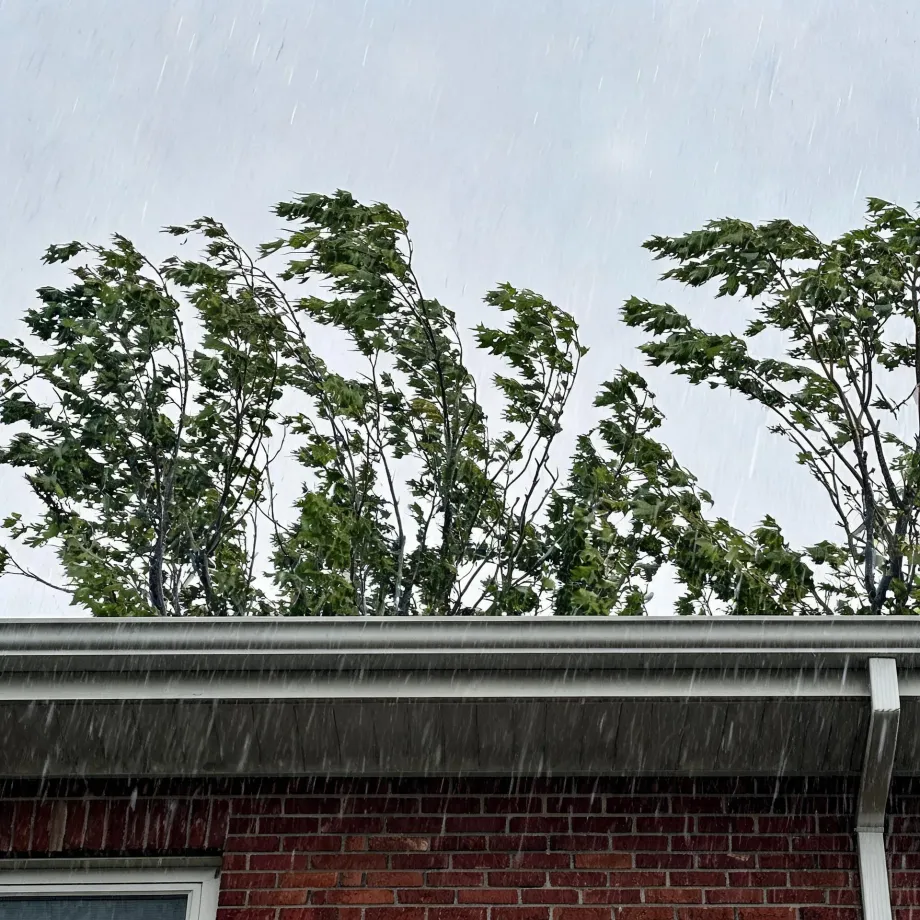
A mini-split in Indiana County has been running against real weather pressure, and that shapes what a contractor looks at first when something goes wrong. 173 severe weather events were recorded in Indiana County, Pennsylvania between 2015 and 2024. At that rate, the outdoor unit, refrigerant lines, and compressor have all been carrying a recurring load, and those are the components a contractor inspects before writing a repair quote. If the compressor is failing, the record here gives a contractor reason to look at what the weather has put through it before attributing the problem to age or a bad install.
Half the homes in Indiana County, Pennsylvania were built in 1970 or earlier (2020-2024 ACS 5-year). A house built that long ago has likely run through more than one heating and cooling arrangement, and the mini-split in it now carries its own separate service history. When a technician opens the unit, what matters is the condition of the compressor, the refrigerant circuit, and the control board, and whether replacement parts for that specific model are still in production. Older equipment sometimes sits at the edge of parts availability, which can push a repair toward a decision the homeowner was not expecting.
The Parts of a Mini-split a Contractor Checks First
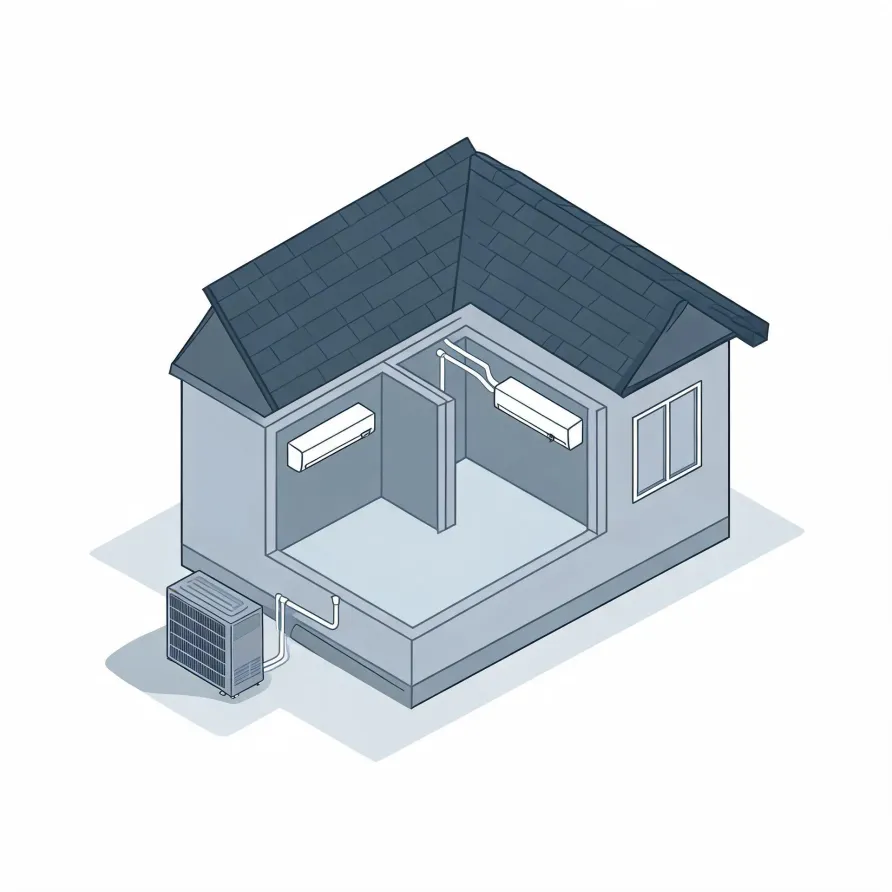
The indoor air handler mounts high on a wall inside the room and is the piece a homeowner notices most. It pulls in room air, moves it across the coil, and pushes conditioned air back out. When airflow drops, temperatures won't hold, or the unit drips water, the handler is where a contractor looks first.
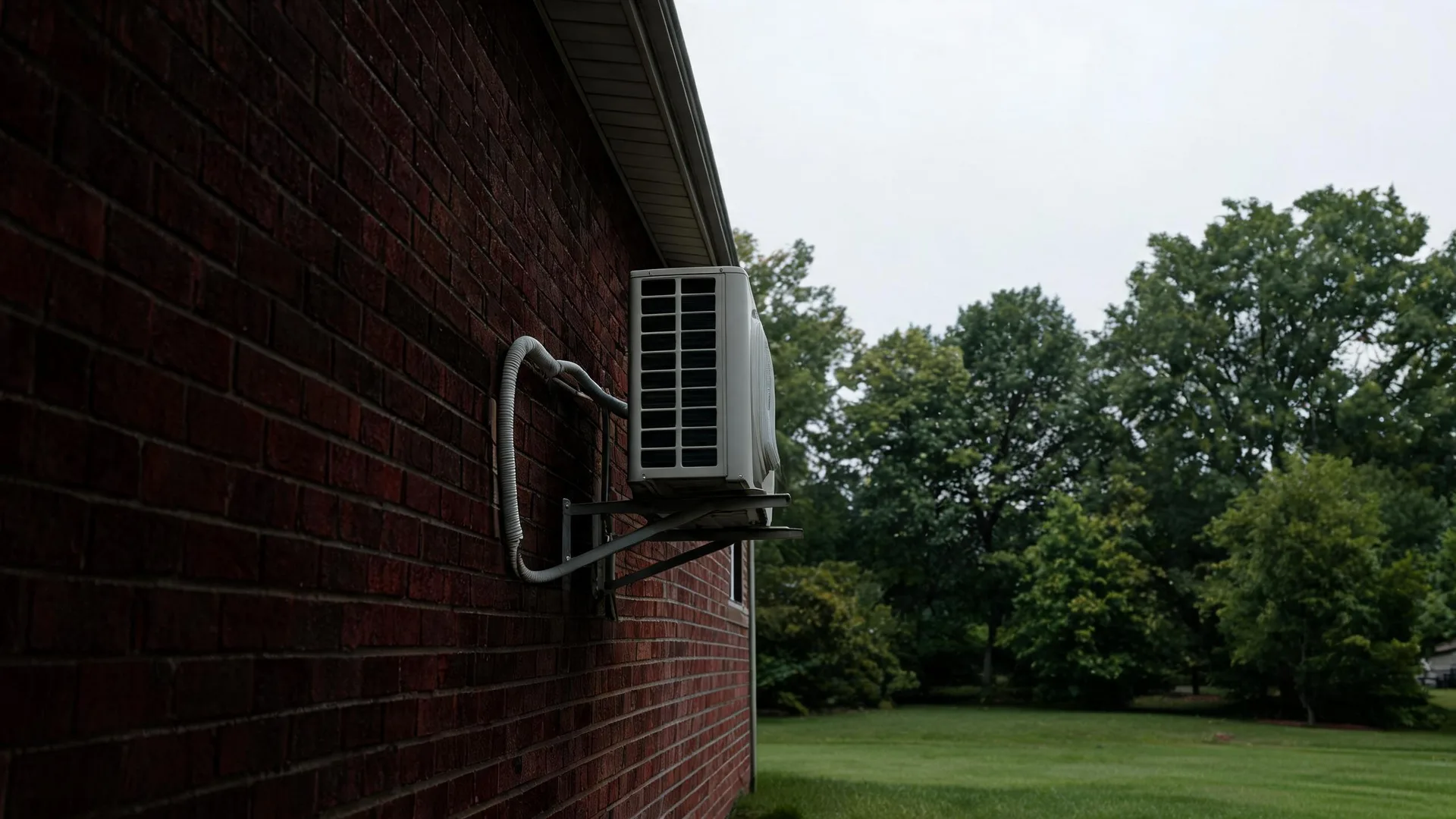
The outdoor condenser sits outside on a pad or bracket and holds the compressor and the coil that releases heat. A refrigerant line set runs between the two units through a small hole in the wall, carrying the working fluid and the electrical connection that ties the system together. A fault in the compressor, a refrigerant leak, or a damaged line set all show up in how the system behaves indoors.
The drawing shows a typical mini-split layout, and a licensed contractor determines which components apply and what work is needed in your specific home.
Find a contractor in Indiana CountyIndiana County, PA, by the numbers
173 severe weather events were recorded in Indiana County, Pennsylvania between 2015 and 2024.
NOAA National Centers for Environmental Information, Storm Events Database, bulk CSV export, events 2015-01-01 through 2024-12-31.Half the homes in Indiana County, Pennsylvania were built in 1970 or earlier (2020-2024 ACS 5-year).
U.S. Census Bureau, 2020-2024 American Community Survey 5-Year EstimatesIndiana County, Pennsylvania holds 37,626 housing units (2020-2024 ACS 5-year).
U.S. Census Bureau, 2020-2024 American Community Survey 5-Year EstimatesOwners occupy 72.1% of the occupied homes in Indiana County, Pennsylvania (2020-2024 ACS 5-year).
U.S. Census Bureau, 2020-2024 American Community Survey 5-Year EstimatesCodes & Standards Covering Mini-Split Repair in Indiana County, Pennsylvania3 sourced rules and standards
Licensing and Legal Requirements in Indiana County, Pennsylvania
Pennsylvania names the trade in its own definition: installing central heating or air conditioning is a home improvement under the Act, whether or not the equipment is affixed — so an HVAC installation is work the registration requirement reaches.
A Pennsylvania registration displaces the local one: no political subdivision may require a home improvement contractor to register, license or pay a fee on top of it, though building permits and local code enforcement still apply.
Pennsylvania requires home improvement contractor registration rather than a licence: nobody may hold themselves out as a contractor, or perform any home improvement, without first registering with the Bureau of Consumer Protection.
Severe Weather Events in Indiana County
Weather places real demands on heating and cooling equipment, and those demands vary by location. How hard a mini-split works, and how often it reaches its limits, is shaped by what the local climate throws at it over time.
173 severe weather events, 2015–2024. Source: NOAA National Centers for Environmental Information, Storm Events Database.