Tell us about the job
Takes about a minute. No obligation.
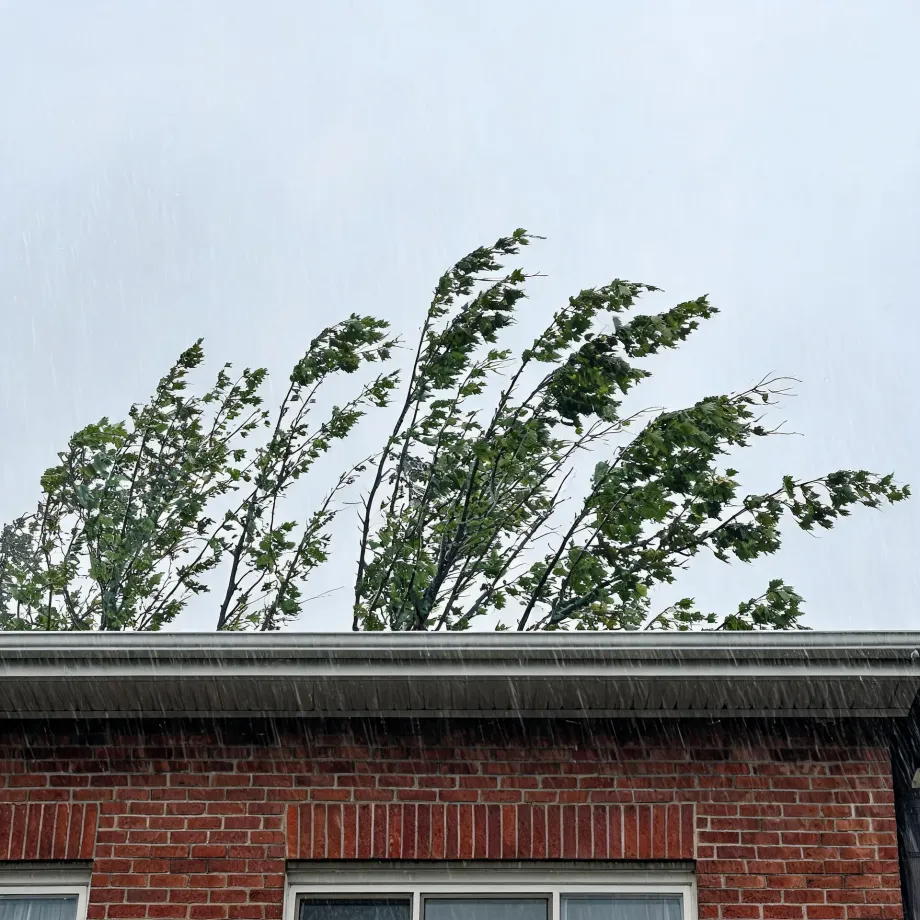
A mini-split's outdoor unit sits outside through whatever the area delivers, and in Lebanon County that load is real. 124 severe weather events were recorded in Lebanon County, Pennsylvania between 2015 and 2024. At that rate, severe weather is part of the normal operating life of a system here, not an occasional outlier. A contractor repairing a unit in this county checks the outdoor coil, the compressor, and the refrigerant circuit with that cumulative load in mind, because wear from repeated stress events can look like simple age until the opened unit says otherwise.
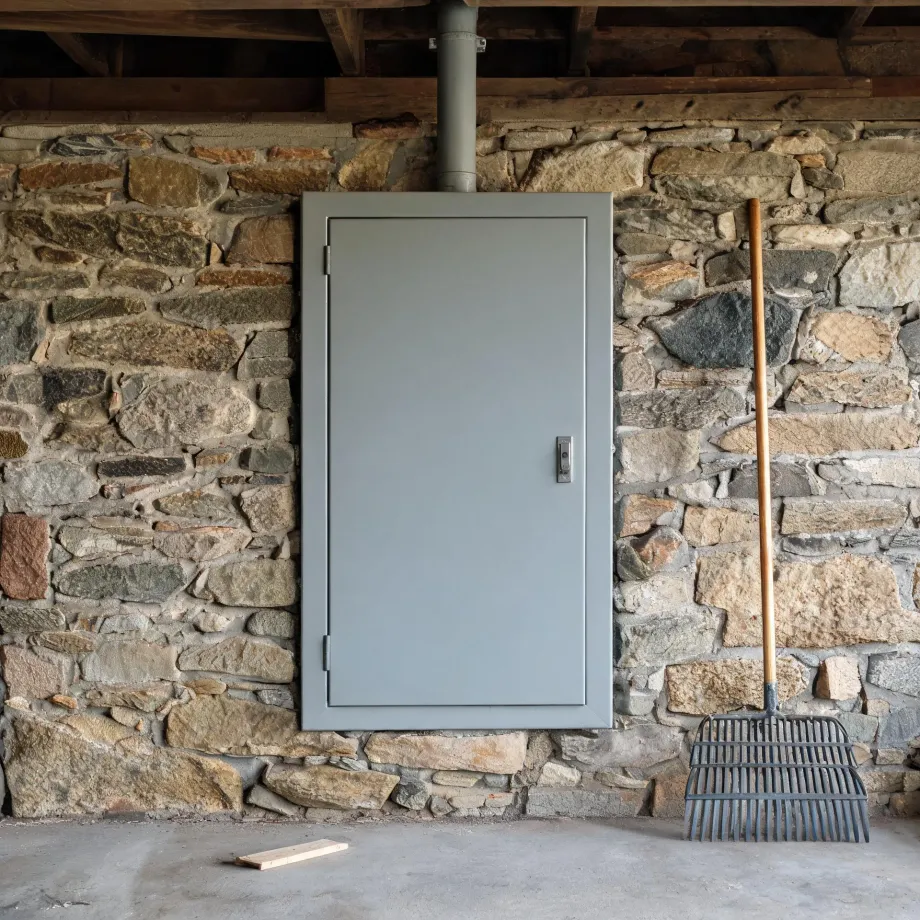
Half the homes in Lebanon County, Pennsylvania were built in 1972 or earlier (2020-2024 ACS 5-year). A mini-split installed in a house that old came in long after the original construction, which means the refrigerant lines and the mounting work are rarely what stops a repair. What stops it is whether the part a contractor pulls out of the opened unit is still being made. Compressor assemblies and control boards for systems a contractor sees regularly in Lebanon County housing can sit at the edge of manufacturer support, and a technician has to price and source the component before the scope of the job is settled.
The Parts of a Mini-split a Contractor Checks First
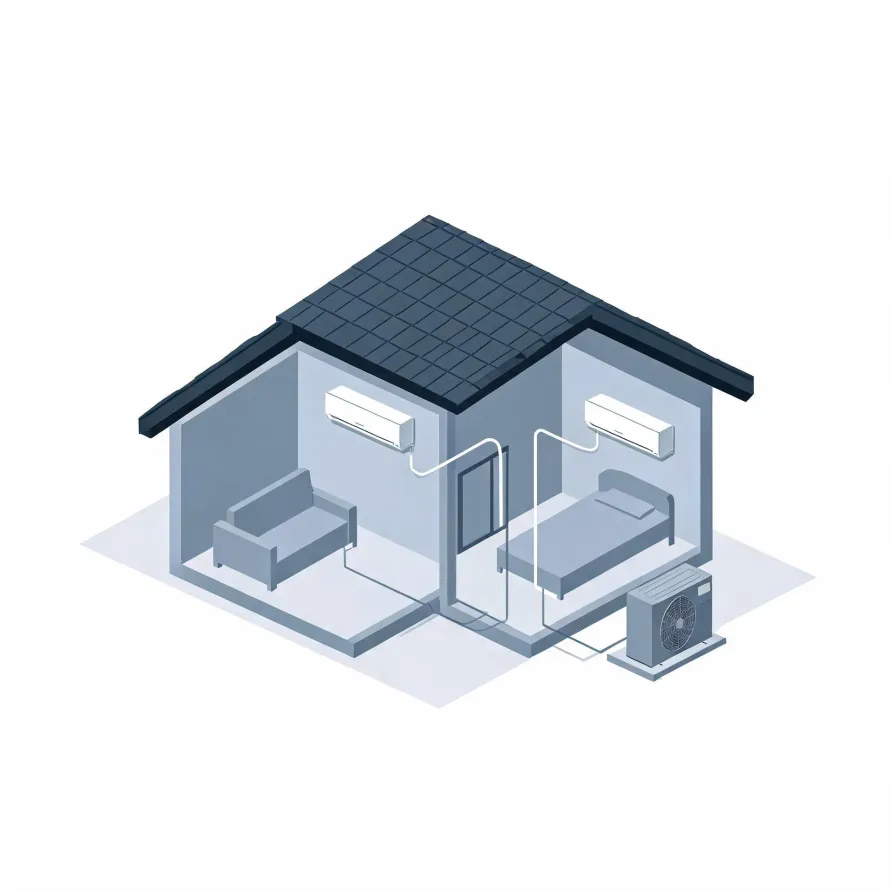
The indoor air handler mounts high on a wall inside the room and is the piece most homeowners notice. It pulls room air across a coil and a filter, so when cooling or heating drops off, a contractor looks here first. A dirty coil, a clogged filter, or a failing blower motor in that unit can each stop the system from doing its job.
The outdoor condenser unit sits on a pad or bracket outside the house and holds the compressor and the second coil. A refrigerant line set runs between the two units through a small hole in the wall, and a condensate drain carries moisture away from the indoor head. Problems in the compressor, refrigerant charge, or drain line all trace back to one of these pieces.
The drawing shows a typical layout, and a licensed contractor determines what applies to your specific installation.
Find a contractor in Lebanon CountyLebanon County, by the numbers
124 severe weather events were recorded in Lebanon County, Pennsylvania between 2015 and 2024.
NOAA National Centers for Environmental Information, Storm Events Database, bulk CSV export, events 2015-01-01 through 2024-12-31.Half the homes in Lebanon County, Pennsylvania were built in 1972 or earlier (2020-2024 ACS 5-year).
U.S. Census Bureau, 2020-2024 American Community Survey 5-Year EstimatesLebanon County, Pennsylvania holds 59,921 housing units (2020-2024 ACS 5-year).
U.S. Census Bureau, 2020-2024 American Community Survey 5-Year EstimatesOwners occupy 71.3% of the occupied homes in Lebanon County, Pennsylvania (2020-2024 ACS 5-year).
U.S. Census Bureau, 2020-2024 American Community Survey 5-Year EstimatesCodes & Standards Covering Mini-Split Repair in Lebanon County, Pennsylvania3 sourced rules and standards
Licensing Rules for Lebanon County, Pennsylvania
Pennsylvania names the trade in its own definition: installing central heating or air conditioning is a home improvement under the Act, whether or not the equipment is affixed — so an HVAC installation is work the registration requirement reaches.
A Pennsylvania registration displaces the local one: no political subdivision may require a home improvement contractor to register, license or pay a fee on top of it, though building permits and local code enforcement still apply.
Pennsylvania requires home improvement contractor registration rather than a licence: nobody may hold themselves out as a contractor, or perform any home improvement, without first registering with the Bureau of Consumer Protection.
Severe Weather Events in Lebanon County
Extreme weather puts real strain on mini-split systems, which run harder and longer when outdoor conditions push toward either end of the temperature range. How much that matters depends on what the local weather actually does, and Lebanon County has its own record.
124 severe weather events, 2015–2024. Source: NOAA National Centers for Environmental Information, Storm Events Database.