Tell us about the job
Takes about a minute. No obligation.
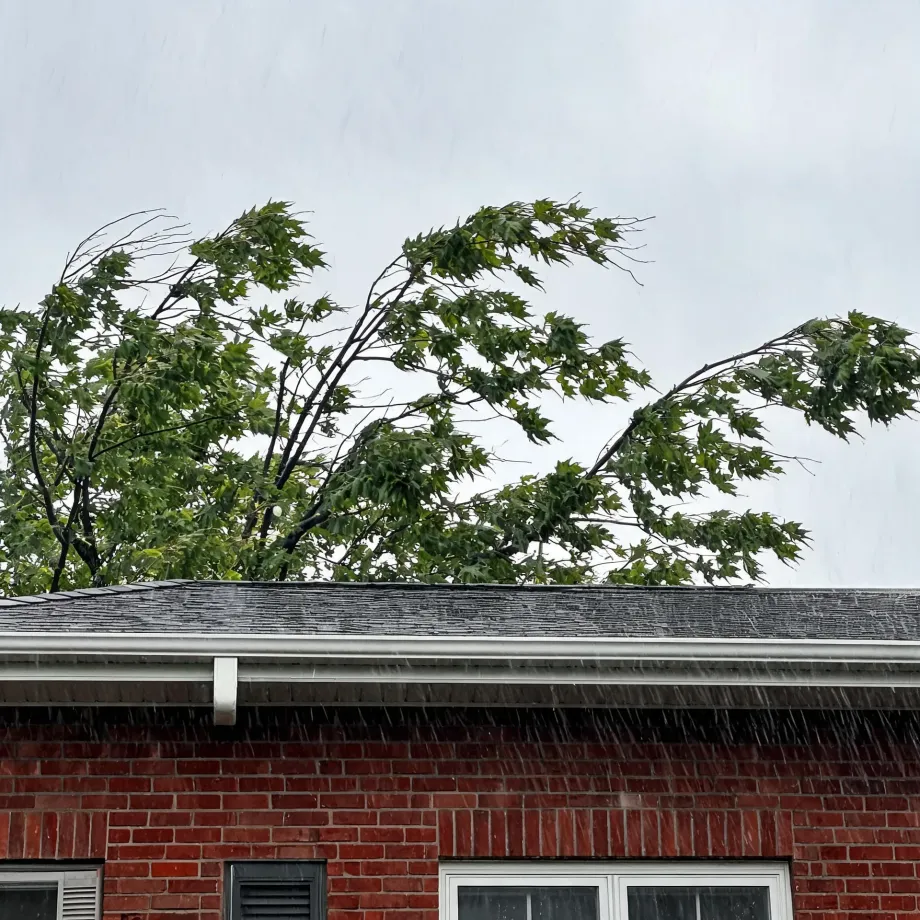
A mini-split running in York County has not been sitting idle between calls. 252 severe weather events were recorded in York County, Pennsylvania between 2015 and 2024. At that rate, the compressor and refrigerant lines have carried sustained load across every season, and those are the first components a contractor opens and tests when a system comes in for repair. Wear on the compressor coils or a slow refrigerant loss often traces back to that cumulative load rather than to a single event. A contractor quotes accordingly.
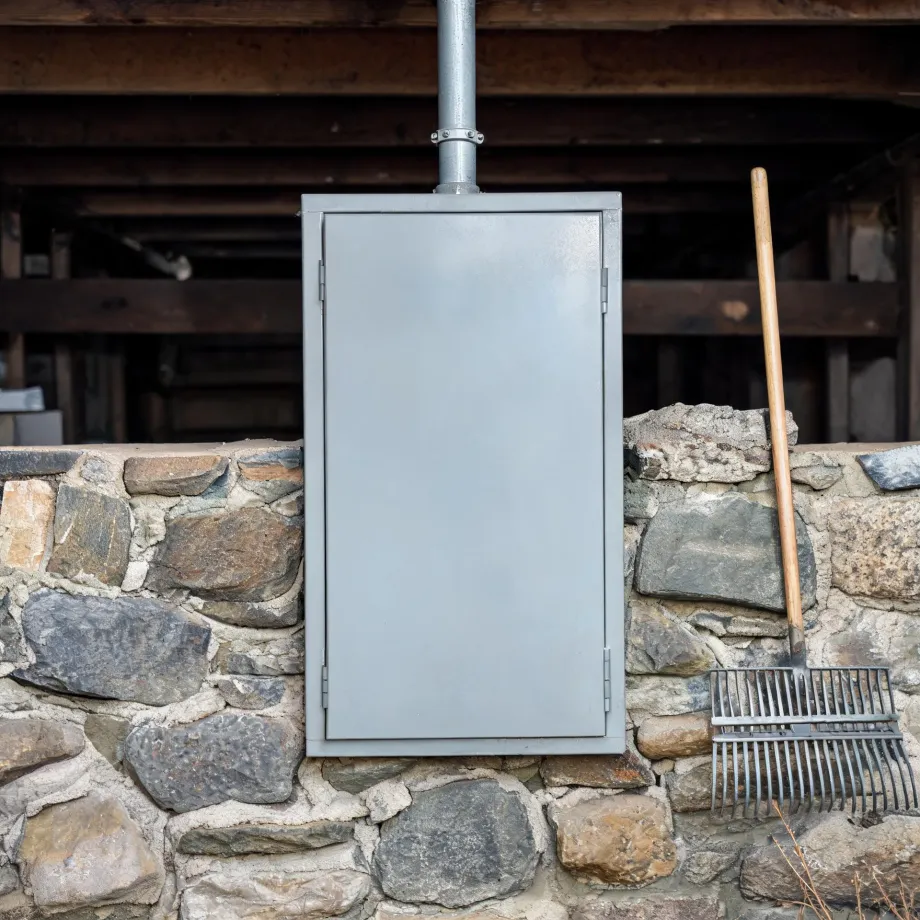
Electrical panels and refrigerant line sets in a house this old were put in for something other than what runs on them now, and whatever adaptations were made along the way show up inside the unit when a contractor opens it. Half the homes in York County, Pennsylvania were built in 1976 or earlier (2020-2024 ACS 5-year). That history shapes what a repair costs: a compressor or control board that failed partly because of undervoltage takes a different fix than one that simply reached the end of its service life, and a contractor who does not check the supply line before ordering parts may replace the wrong thing.
The Parts of a Mini-split a Contractor Checks First
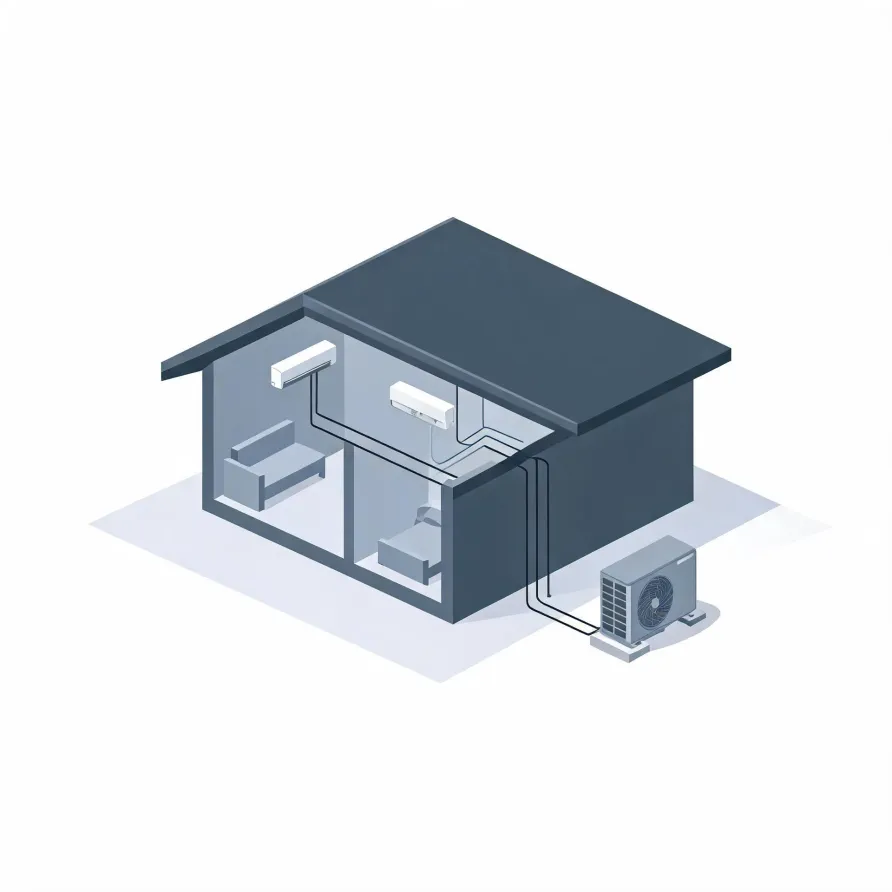
The indoor air handler mounts high on a wall inside the room and is the piece a homeowner sees every day. Its fan, coil, and filter are where many problems start: a clogged filter starves airflow, a dirty coil loses its ability to exchange heat, and a failing fan motor shows up as weak or absent airflow from the unit.
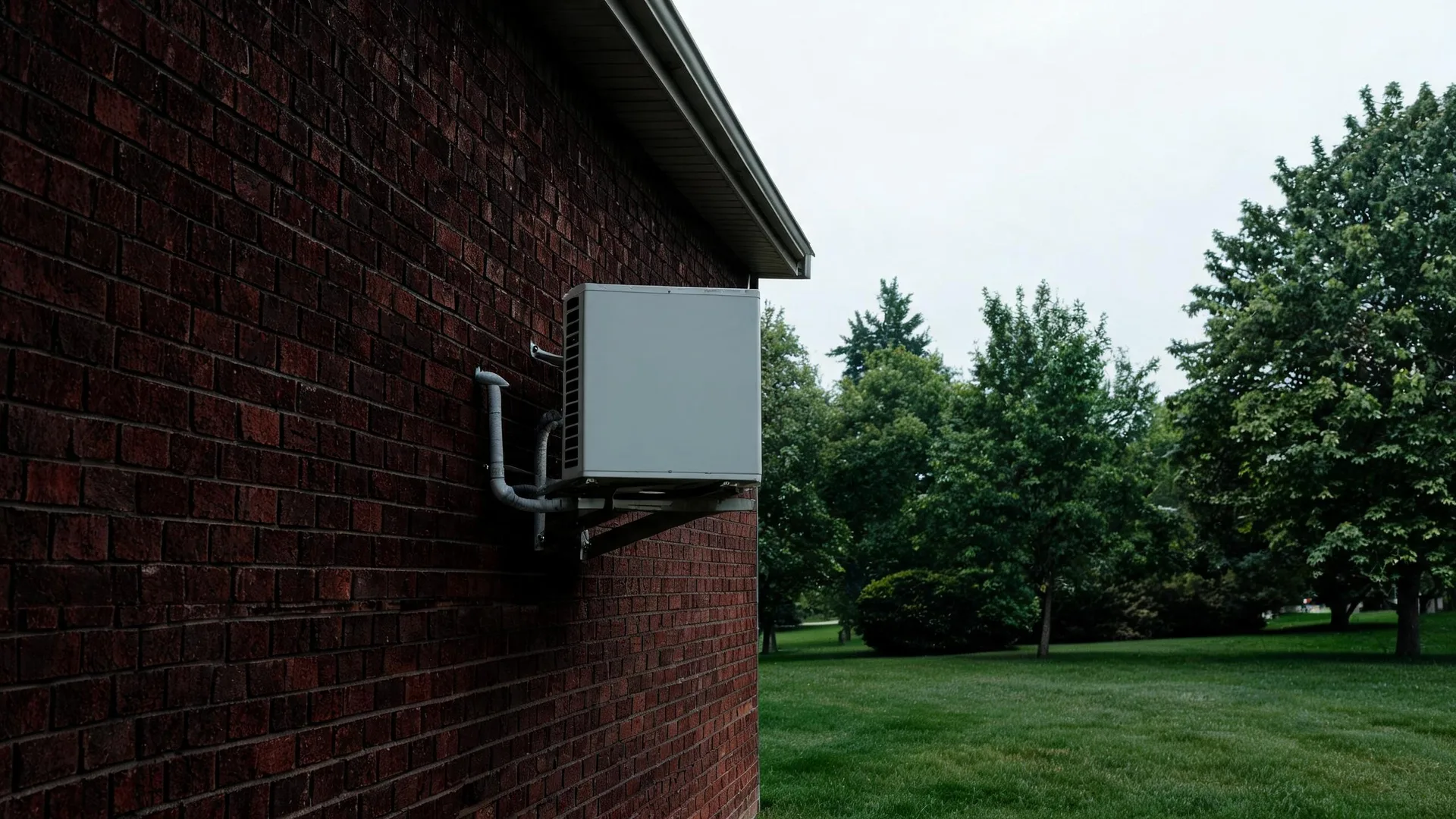
The outdoor condenser unit sits on a pad or bracket outside the house and holds the compressor and the second coil. The refrigerant line set and the condensate drain run between the two units, and a fault in either one, whether a slow refrigerant leak or a blocked drain, will show symptoms inside even though the cause is outside.
The drawing shows the general layout of a mini-split system, and a licensed contractor determines which components apply and what condition they are in for your specific installation.
Find a contractor in York CountyYork County by the numbers
252 severe weather events were recorded in York County, Pennsylvania between 2015 and 2024.
NOAA National Centers for Environmental Information, Storm Events Database, bulk CSV export, events 2015-01-01 through 2024-12-31.Half the homes in York County, Pennsylvania were built in 1976 or earlier (2020-2024 ACS 5-year).
U.S. Census Bureau, 2020-2024 American Community Survey 5-Year EstimatesYork County, Pennsylvania holds 189,857 housing units (2020-2024 ACS 5-year).
U.S. Census Bureau, 2020-2024 American Community Survey 5-Year EstimatesOwners occupy 76.3% of the occupied homes in York County, Pennsylvania (2020-2024 ACS 5-year).
U.S. Census Bureau, 2020-2024 American Community Survey 5-Year EstimatesRules & Standards Governing Mini-Split Repair in York County, Pennsylvania3 sourced rules & standards
Contractor Rules in York County, Pennsylvania
Pennsylvania names the trade in its own definition: installing central heating or air conditioning is a home improvement under the Act, whether or not the equipment is affixed — so an HVAC installation is work the registration requirement reaches.
A Pennsylvania registration displaces the local one: no political subdivision may require a home improvement contractor to register, license or pay a fee on top of it, though building permits and local code enforcement still apply.
Pennsylvania requires home improvement contractor registration rather than a licence: nobody may hold themselves out as a contractor, or perform any home improvement, without first registering with the Bureau of Consumer Protection.
Severe Weather Events in York County, PA
York County's weather puts real stress on heating and cooling equipment year-round, and that stress shows up as repair calls. A mini-split working hard against what the sky throws at it wears differently than one sitting in a mild climate, which is why local weather history is part of understanding local equipment needs.
252 severe weather events, 2015–2024. Source: NOAA National Centers for Environmental Information, Storm Events Database.