Tell us about the job
Takes about a minute. No obligation.
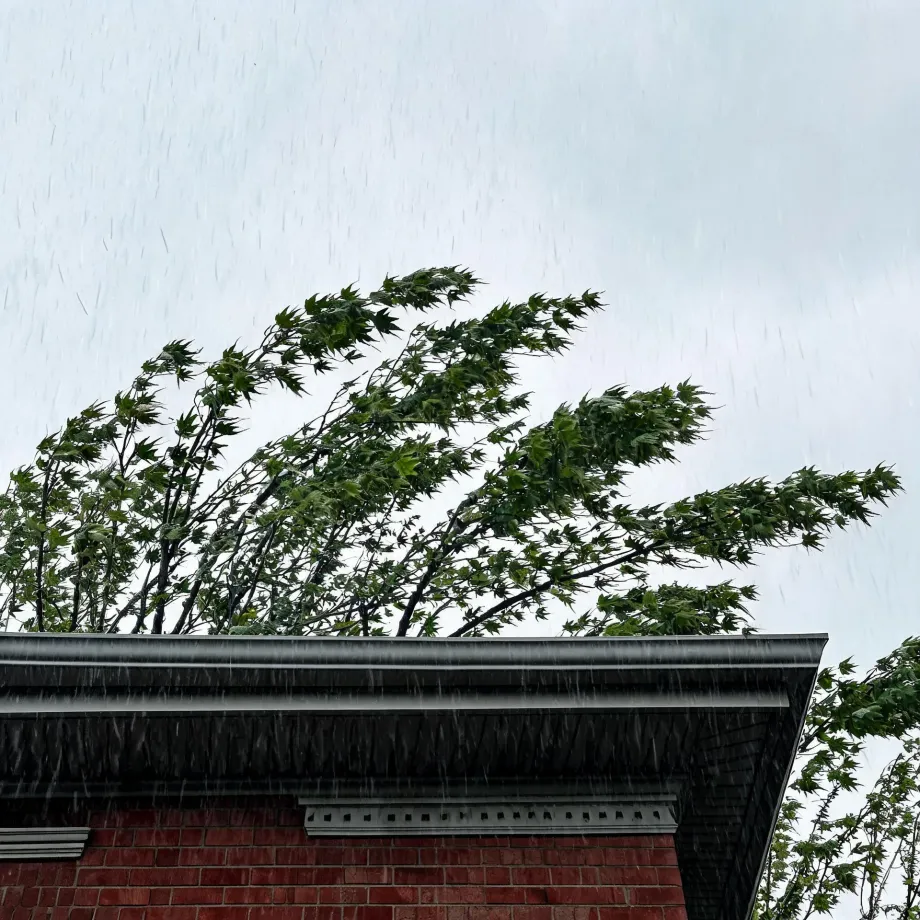
A contractor quoting a mini-split install in Juniata County has to settle one question before sizing equipment: what has the local climate actually demanded of systems here. 62 severe weather events were recorded in Juniata County, Pennsylvania between 2015 and 2024. At that rate, severe weather is something equipment encounters now and then, not a condition it runs against constantly. That puts age of the existing system and the quality of the original installation ahead of weather load as the variables that shape what a replacement contractor finds and how they scope the new work.
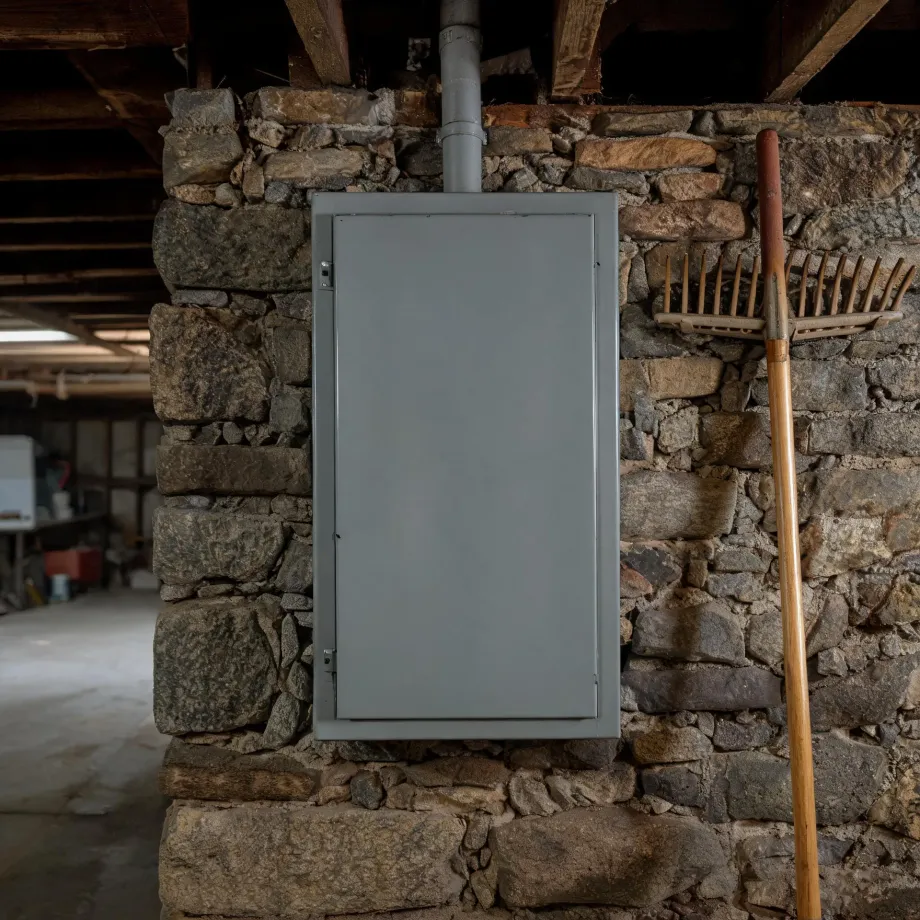
Electrical service is what determines how a mini-split installation goes in a house of this vintage. Half the homes in Juniata County, Pennsylvania were built in 1973 or earlier (2020-2024 ACS 5-year). A contractor sizing a new unit has to look at what the panel can actually support before anything else gets priced, because the wiring that was sufficient for the loads those houses were designed around is often too thin for what a modern mini-split draws. The ductwork question does not arise with mini-splits, but the electrical one does, and in stock this old it is rarely answered by looking at the breaker box from the outside.
What a Mini-split System Looks Like Before Installation Begins
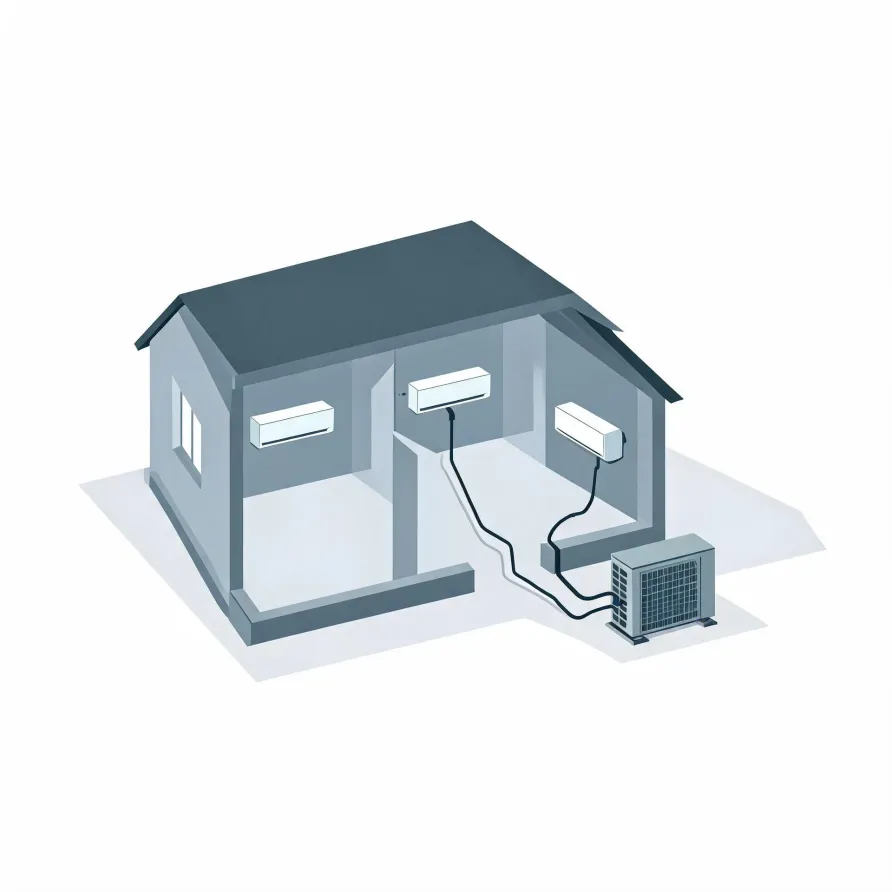
The outdoor unit mounts on an exterior wall or a pad at ground level and houses the compressor and condenser coil, which are the mechanical core of the system. Inside, the air handler attaches high on a wall in each room or zone being served, delivering conditioned air directly into that space. These are the two pieces a homeowner will see and live with.
A refrigerant line set runs through a small hole in the wall to connect the indoor and outdoor units, traveling alongside a condensate drain line that carries moisture out of the building. A dedicated electrical circuit feeds the outdoor unit, and a control board inside each air handler communicates with it to regulate output by zone.
The drawing here shows the general layout of these components, and a licensed contractor determines exactly how each one is positioned and routed for your specific house.
Find a contractor in Juniata CountyJuniata County, by the numbers
62 severe weather events were recorded in Juniata County, Pennsylvania between 2015 and 2024.
NOAA National Centers for Environmental Information, Storm Events Database, bulk CSV export, events 2015-01-01 through 2024-12-31.Half the homes in Juniata County, Pennsylvania were built in 1973 or earlier (2020-2024 ACS 5-year).
U.S. Census Bureau, 2020-2024 American Community Survey 5-Year EstimatesJuniata County, Pennsylvania holds 10,506 housing units (2020-2024 ACS 5-year).
U.S. Census Bureau, 2020-2024 American Community Survey 5-Year EstimatesOwners occupy 73.8% of the occupied homes in Juniata County, Pennsylvania (2020-2024 ACS 5-year).
U.S. Census Bureau, 2020-2024 American Community Survey 5-Year EstimatesMini-Split Installation Rules for Juniata County, Pennsylvania3 codes and standards
Licensing and Legal Requirements in Juniata County, Pennsylvania
Pennsylvania names the trade in its own definition: installing central heating or air conditioning is a home improvement under the Act, whether or not the equipment is affixed — so an HVAC installation is work the registration requirement reaches.
A Pennsylvania registration displaces the local one: no political subdivision may require a home improvement contractor to register, license or pay a fee on top of it, though building permits and local code enforcement still apply.
Pennsylvania requires home improvement contractor registration rather than a licence: nobody may hold themselves out as a contractor, or perform any home improvement, without first registering with the Bureau of Consumer Protection.
Severe Weather Events in Juniata County
Weather in this region puts real demands on heating and cooling equipment, and those demands shape what a well-sized, properly installed mini-split needs to handle. What contractors install here has to fit local conditions, not a generic spec.
62 severe weather events, 2015–2024. Source: NOAA National Centers for Environmental Information, Storm Events Database.