Tell us about the job
Takes about a minute. No obligation.
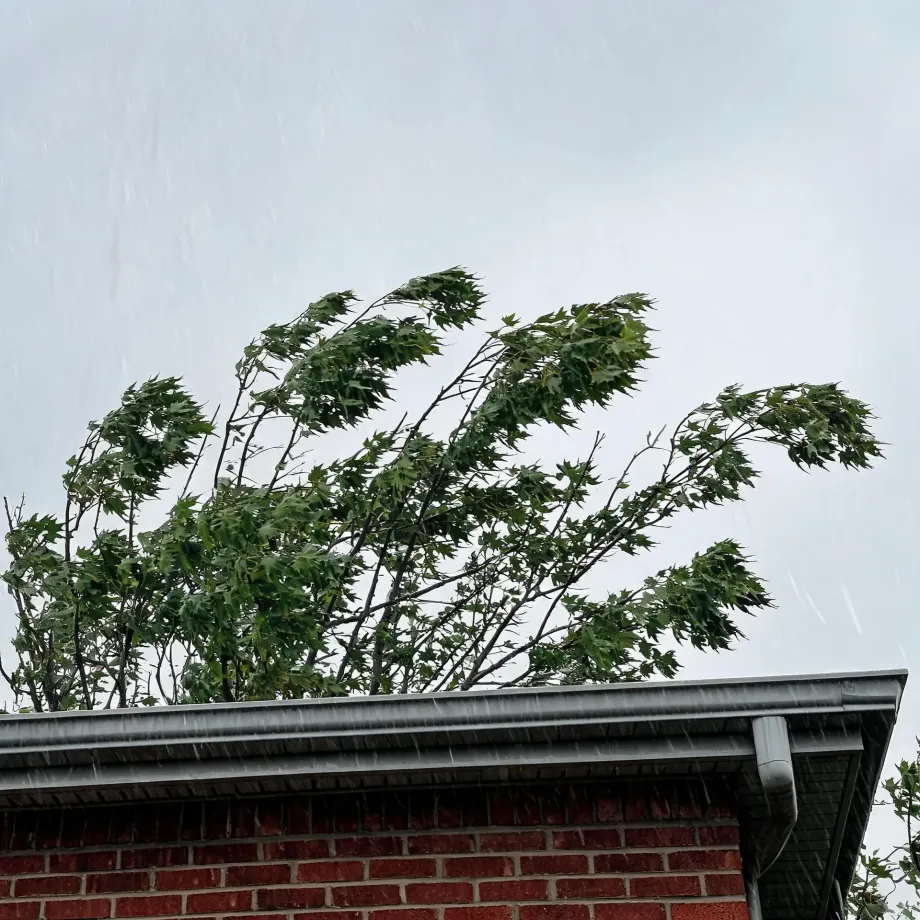
A contractor quoting a mini-split installation in Snyder County has to size the system for what this climate actually demands, and the weather record here is real but not extreme. 91 severe weather events were recorded in Snyder County, Pennsylvania between 2015 and 2024. At roughly the national midpoint, that rate of severe weather is part of normal operating life without being the dominant stress on a system. What shortens equipment here is more often an undersized unit pushed hard in summer or an install that left refrigerant lines poorly routed than any single weather event. A contractor who accounts for local conditions at the sizing stage avoids the compressor strain that an off-the-shelf spec tends to create.
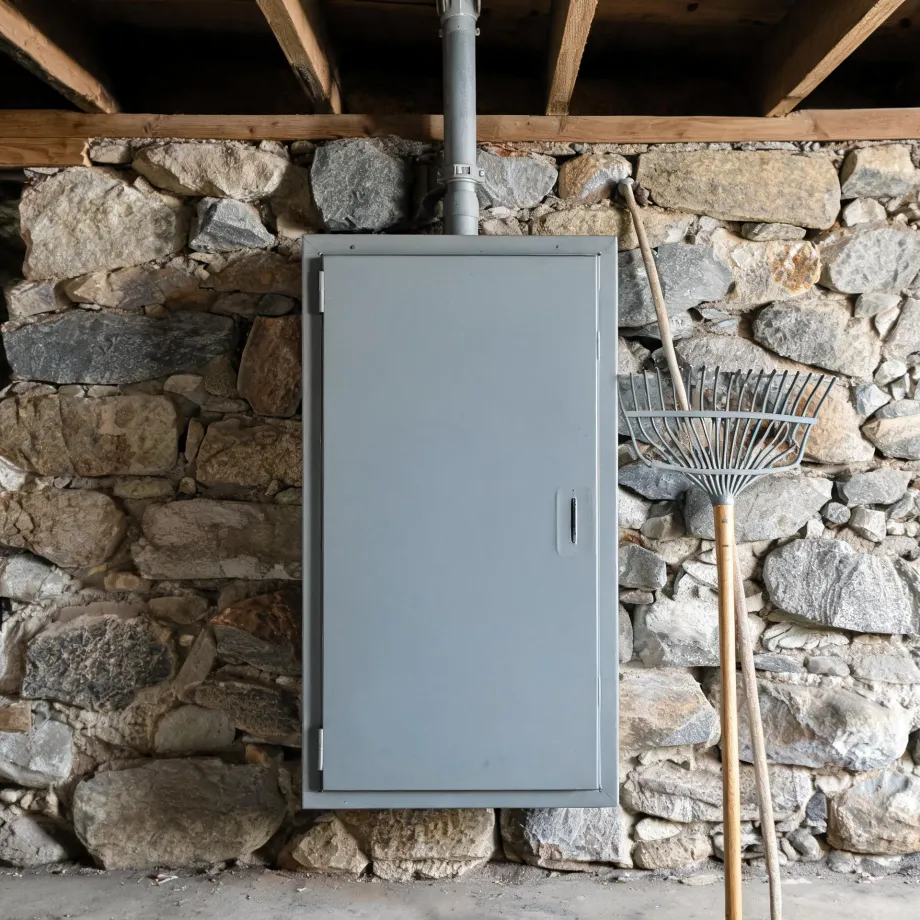
Electrical panels in houses this old were sized for the equipment of their era, and a mini-split draws differently than what those panels were designed to feed. Half the homes in Snyder County, Pennsylvania were built in 1973 or earlier (2020-2024 ACS 5-year). A contractor working here checks whether the existing service can carry the new load before settling on a unit, because the panel is where installs stall. Ductwork is not a variable with a ductless system, but the electrical is, and in stock this age it gets opened and measured first.
What a Mini-split Installation Puts in Your Home
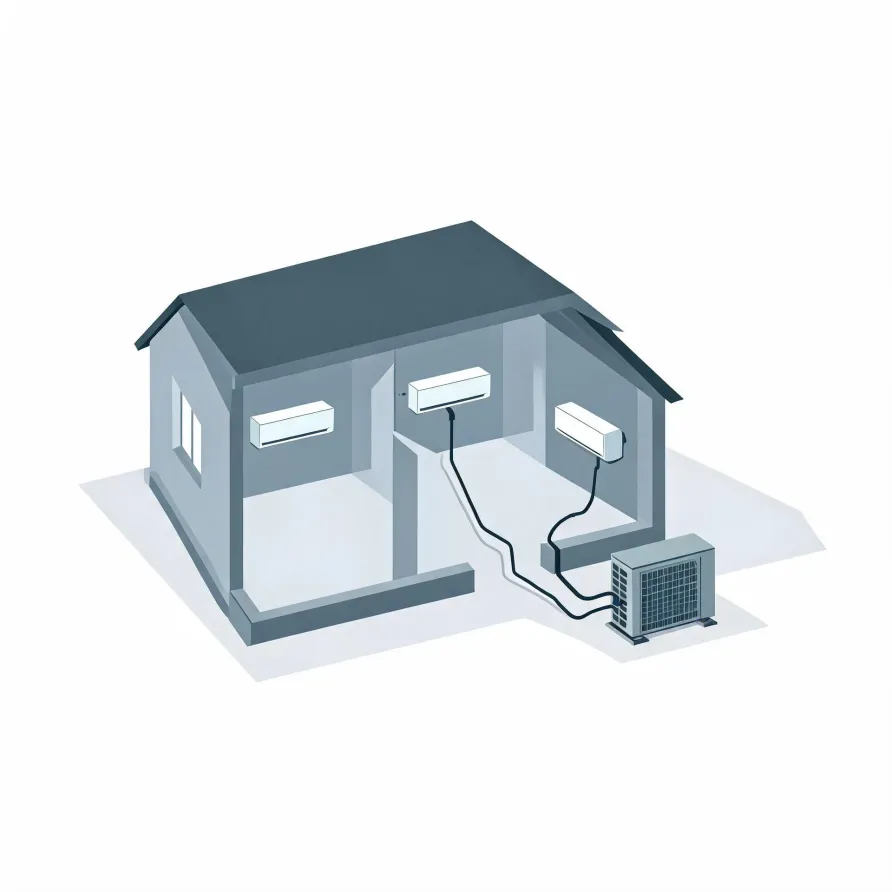
The indoor air handler mounts high on an interior wall inside the room being conditioned, which is where most homeowners notice the system first. The outdoor condenser unit sits on the ground or a bracket outside the house and holds the compressor and the coil that exchanges heat with the outside air.
A refrigerant line set runs through a small hole in the wall to connect the two units, and a condensate drain line runs from the indoor handler to carry away moisture. A dedicated electrical disconnect is mounted near the outdoor unit as part of the same installation.
The drawing alongside shows the typical layout of these components, and a licensed contractor determines exactly how they come together in your home.
Find a contractor in Snyder CountySnyder County, by the numbers
91 severe weather events were recorded in Snyder County, Pennsylvania between 2015 and 2024.
NOAA National Centers for Environmental Information, Storm Events Database, bulk CSV export, events 2015-01-01 through 2024-12-31.Half the homes in Snyder County, Pennsylvania were built in 1973 or earlier (2020-2024 ACS 5-year).
U.S. Census Bureau, 2020-2024 American Community Survey 5-Year EstimatesSnyder County, Pennsylvania holds 16,053 housing units (2020-2024 ACS 5-year).
U.S. Census Bureau, 2020-2024 American Community Survey 5-Year EstimatesOwners occupy 75.6% of the occupied homes in Snyder County, Pennsylvania (2020-2024 ACS 5-year).
U.S. Census Bureau, 2020-2024 American Community Survey 5-Year EstimatesPermits, Codes, and Refrigerant Rules for Mini-Split Work in Snyder County, Pennsylvania3 sourced standards and regulations
Licensing and Legal Requirements in Snyder County, Pennsylvania
Pennsylvania names the trade in its own definition: installing central heating or air conditioning is a home improvement under the Act, whether or not the equipment is affixed — so an HVAC installation is work the registration requirement reaches.
A Pennsylvania registration displaces the local one: no political subdivision may require a home improvement contractor to register, license or pay a fee on top of it, though building permits and local code enforcement still apply.
Pennsylvania requires home improvement contractor registration rather than a licence: nobody may hold themselves out as a contractor, or perform any home improvement, without first registering with the Bureau of Consumer Protection.
Severe Weather Events in Snyder County
Heating and cooling equipment in this part of Pennsylvania works against whatever the local climate throws at it, and that workload shapes every sizing and installation decision. A contractor familiar with Snyder County knows what the weather here asks of the hardware.
91 severe weather events, 2015–2024. Source: NOAA National Centers for Environmental Information, Storm Events Database.