Tell us about the job
Takes about a minute. No obligation.
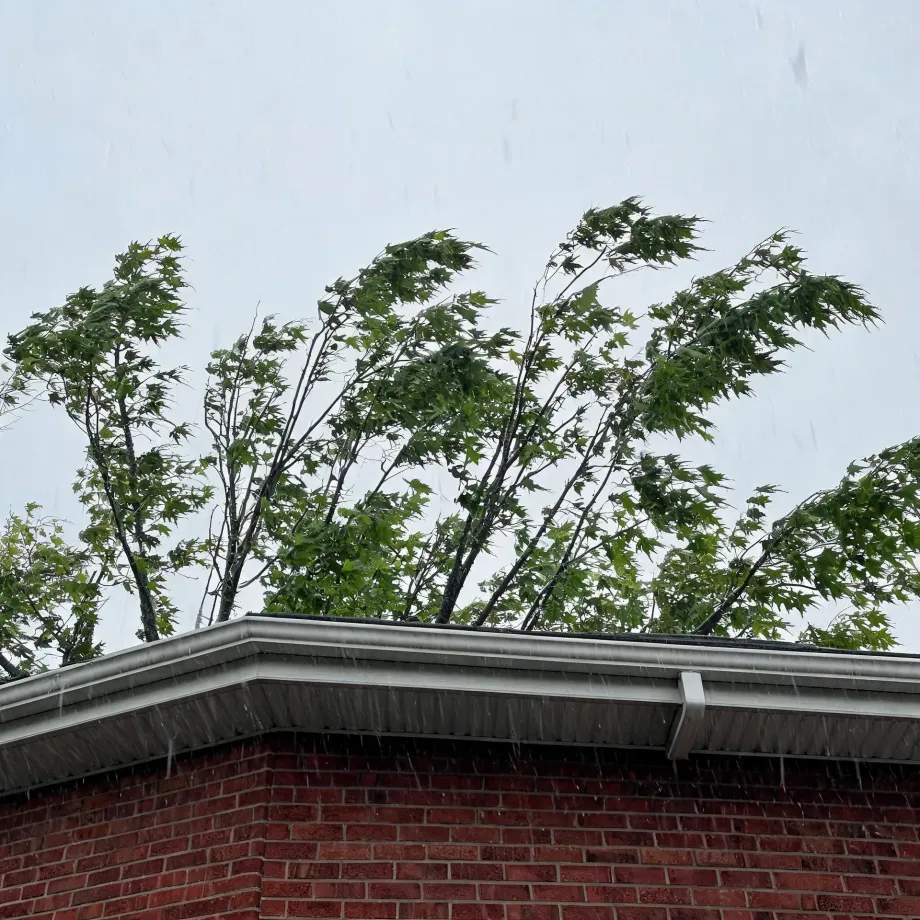
Sizing a mini-split in Washington County requires accounting for what this area actually puts a system through. 344 severe weather events were recorded in Washington County, Pennsylvania between 2015 and 2024. At that rate, severe weather is part of normal operating life for equipment here, and a contractor who ignores that when selecting capacity will undersize the unit for the load it will carry from its first cooling season. A system installed with the right specifications for this climate runs its compressor within design limits; one installed to catalog defaults for a milder place runs hard more often than it was built to.
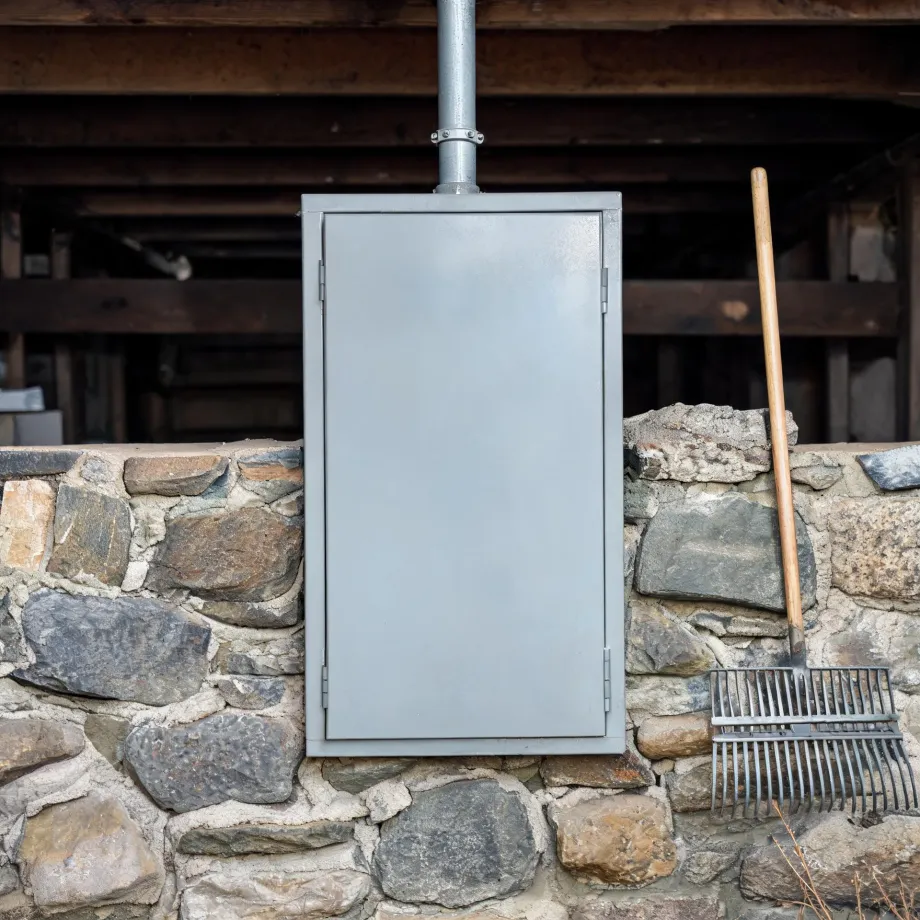
Electrical service is what decides whether a mini-split job runs straight or stalls. Half the homes in Washington County, Pennsylvania were built in 1966 or earlier (2020-2024 ACS 5-year). A house built in that era was wired for a load profile that has little in common with what a mini-split draws, and the panel a contractor finds behind the door often has no spare capacity for a dedicated circuit. Ductwork is not the variable here, since mini-splits run without it. The electrical is, and a contractor has to look at the panel before a quote for this kind of installation means anything.
What a Mini-split Installation Puts in Your Home
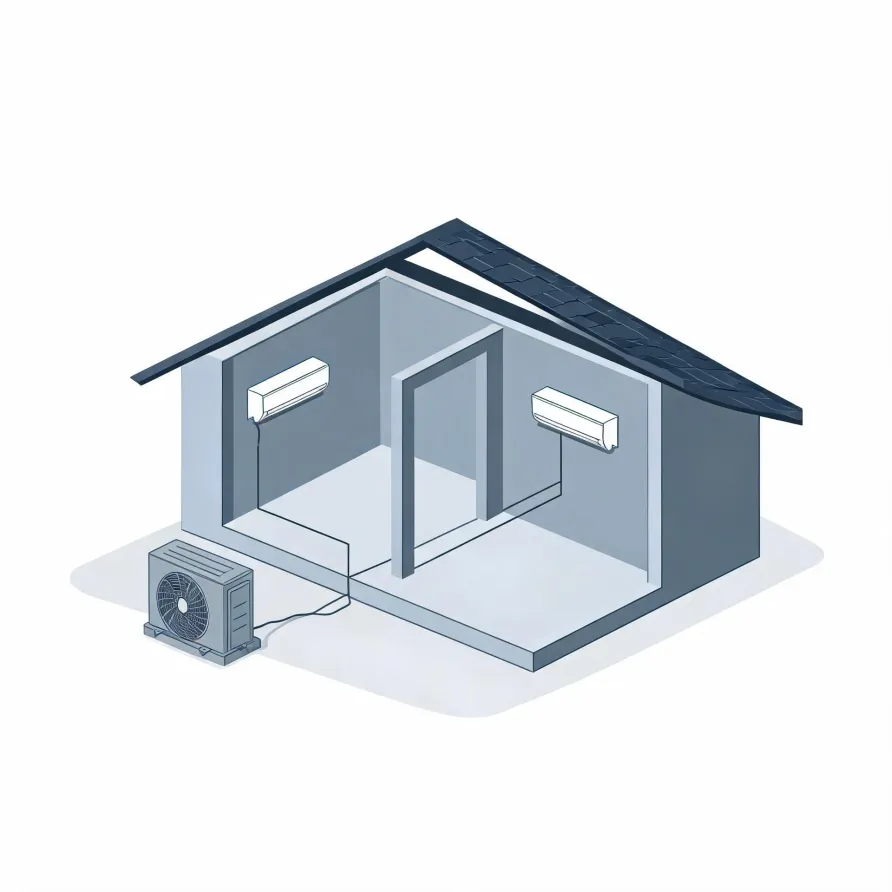
The indoor air handler mounts high on a wall inside the room being conditioned, where it draws in room air and delivers it back at the set temperature. The outdoor unit sits on the ground or on a bracket outside the house and holds the compressor and the condenser coil, doing the heavy work of the system.
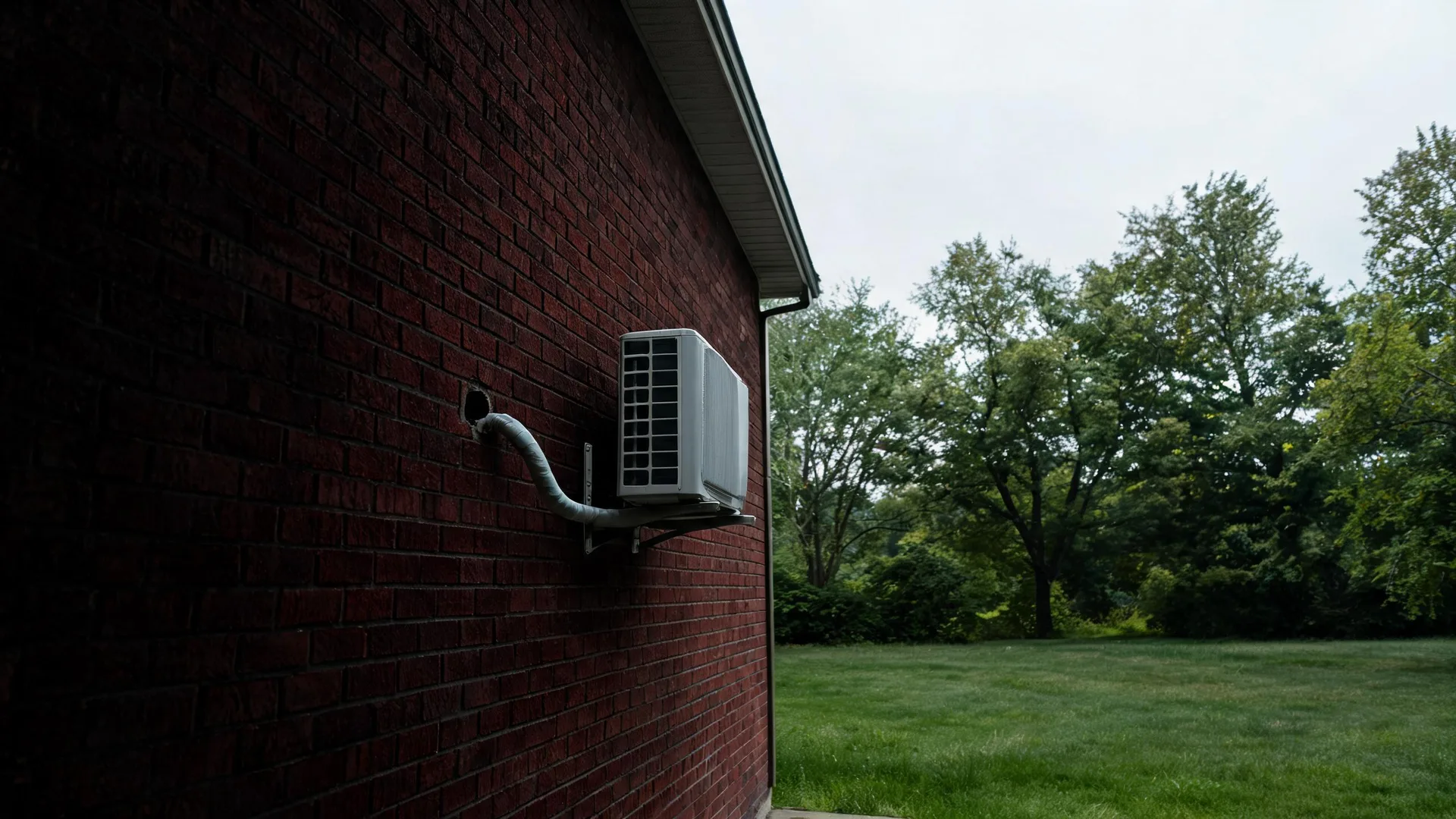
A refrigerant line set runs through a small hole in the wall to connect the two units, bundled alongside a condensate drain line that carries moisture out of the building. A dedicated disconnect box gets mounted on the exterior wall near the outdoor unit, giving the system its own shutoff point.
The drawing beside this text shows the general layout of these components, and a licensed contractor determines exactly how they are positioned and routed in your specific home.
Find a contractor in Washington CountyWashington County, Pennsylvania, by the numbers
344 severe weather events were recorded in Washington County, Pennsylvania between 2015 and 2024.
NOAA National Centers for Environmental Information, Storm Events Database, bulk CSV export, events 2015-01-01 through 2024-12-31.Half the homes in Washington County, Pennsylvania were built in 1966 or earlier (2020-2024 ACS 5-year).
U.S. Census Bureau, 2020-2024 American Community Survey 5-Year EstimatesWashington County, Pennsylvania holds 97,923 housing units (2020-2024 ACS 5-year).
U.S. Census Bureau, 2020-2024 American Community Survey 5-Year EstimatesOwners occupy 76.1% of the occupied homes in Washington County, Pennsylvania (2020-2024 ACS 5-year).
U.S. Census Bureau, 2020-2024 American Community Survey 5-Year EstimatesMini-Split Installation Rules and Codes for Washington County, Pennsylvania3 sourced standards and regulations
Contractor Rules in Washington County, Pennsylvania
Pennsylvania names the trade in its own definition: installing central heating or air conditioning is a home improvement under the Act, whether or not the equipment is affixed — so an HVAC installation is work the registration requirement reaches.
A Pennsylvania registration displaces the local one: no political subdivision may require a home improvement contractor to register, license or pay a fee on top of it, though building permits and local code enforcement still apply.
Pennsylvania requires home improvement contractor registration rather than a licence: nobody may hold themselves out as a contractor, or perform any home improvement, without first registering with the Bureau of Consumer Protection.
Severe Weather Events in Washington County
Heating and cooling equipment in Washington County carries the load that local weather puts on it, and that load varies by place. Sizing and installing a mini-split correctly depends on knowing what this county actually demands.
344 severe weather events, 2015–2024. Source: NOAA National Centers for Environmental Information, Storm Events Database.